
Passion Play
Dual Duels
Passion Play
by Peter Nichols
Teddington Theatre Club at the Coward Studio, Hampton Hill Theatre until 25th November
Review by Brent Muirhouse

Entering Hampton Hill Theatre’s Noel Coward Room, the intimate setting felt appropriate for Passion Play by Peter Nichols, centring around the changing relationship of married couple James and Eleanor Croxley, which undergoes a forensic examination on stage when James is tempted away by the lure of a younger woman, Kate. What threatens in this description to be a simple soap opera instead takes in the best parts of interpersonal dynamics, the workings of the human conscience and the dichotomy between inner and outer selves.
First published in 1981, the play delves into themes of fidelity, morality, and the conflict between desire and societal expectations. In practice we meet the couple at centre of Passion Play, James (Oliver Tims) and his wife Eleanor (Kirsty MacDonald), as he grapples with his inner conflicts when tempted by a new lover, Kate (Natasha Nicola), mistress of his late best friend Albert, and public enemy number one to Albert’s widow, Agnes (Cath Messum).

The masterstroke is to allow these characters to represent the outward actions, but then have two further members of the cast embody James’ and Kate’s consciences and internal thoughts, Jim and Nell (Daniel Wain and Jane Marcus respectively). Despite how heavy and dense this could’ve been (and sounds in the rest of this sentence), this personification of the philosophical concept of Descartes’ dualism by using two actors for both James and his wife Eleanor, is perhaps the clearest and most engaging way imaginable to understand the true desires and feelings of the two humans this play centres around.
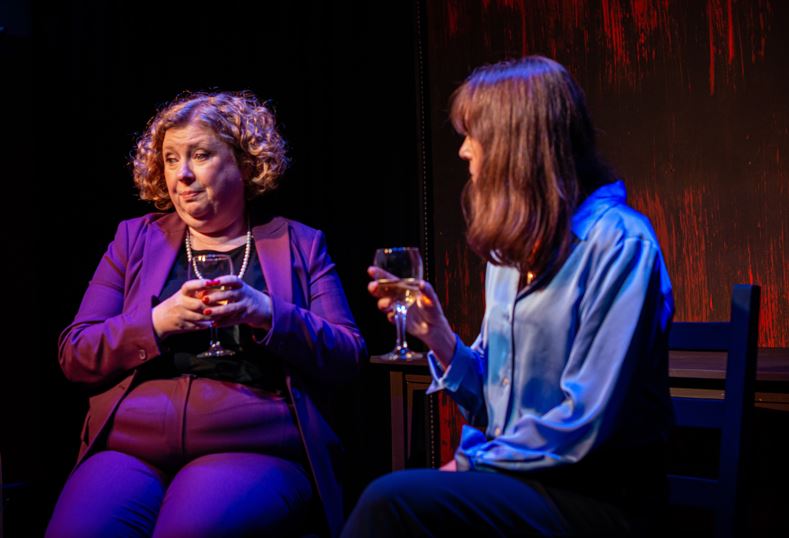
This approach leaves the audience with a double-levelled story that is visible from many angles and an immediate joy – the lightness of a theatrical mille-feuille, rather than the hidden, denser duality of a song by masked heavy-rock band Slipknot (references this reviewer did not think would ever see the light of day).

Nichols’ writing, under Ben Clare’s direction, skilfully leads an exploration of human nature and morality, serving as a constant reminder of the conflict between one’s desires and the views of society. To this end, the cast delivers a highly commendable performance overall, with Natasha Nicola shining in her portrayal of Kate, bringing a genuine quality, depth and conviction to a character that could’ve easily otherwise felt one-dimensional. However, it’s Daniel Wain’s portrayal of James Croxley’s alter ego and conscience Jim which steals the spotlight. Wain’s command of the character is enthralling, infusing the performance with a magnetic intensity that drives the play forward. By the end of the play, this reviewer would’ve happily watched him convey a shopping list or a 1981 copy of the Yellow Pages, to continue his remarkable turn.
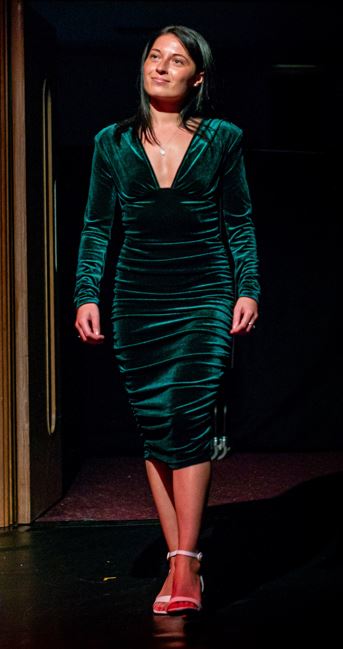
Clare’s direction of the play is clever, using minimal staging to emphasize the inner turmoil of the characters. While generally effective, there are instances where the positioning of actors on the far sides of the stage might leave some audience members feeling slightly disconnected from the action, impacting the overall engagement.
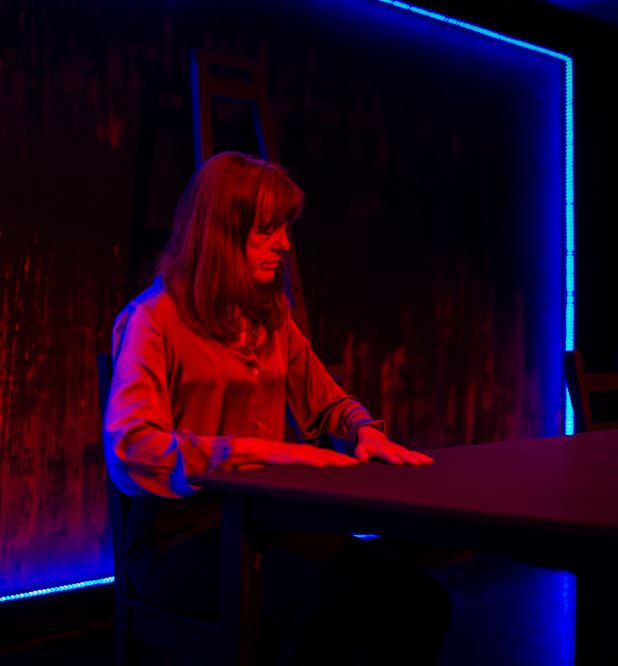
Despite being set in the 1980s, the play’s exploration of moral dilemmas and the clash between personal desires and societal expectations remains highly relevant today. The themes of fidelity, self-identity, and the constant struggle between inner desires and external pressures are timeless, resonating strongly in the context of contemporary societal norms and individual freedoms. Through Passion Play, Nichols’ exploration of moral perspectives adds depth (and often humour) to a character-driven drama, illustrating the multifaceted nature of human ethics and the intricate interplay between individual conscience and external influences. The standout choice to split each of the leads into two parts elevated the play to a far greater level, and allowed the visualisation of the internal and external self to be examined openly in the narrative, giving the audience plenty of bang for their buck. As the cast took the last of their well-earned applause, that bang still rang in my ears as I walked off into the streetlights of suburbia.
Brent Muirhouse, November 2023
Photography by David Shortland

 Mark Aspen