
Art in Opera
Eye and Ear
Art in Opera
by Helen Astrid
Wild Arts in Podcast
Review by Celia Bard
Art in Opera: what a splendid title! Each has at is heart the concept of storytelling, with paintings acting as a visual narrative and opera using song and theatrical elements to convey complex plots and deep character insights. The synthesis between these two forms of art explored in this podcast promised to be both innovative and interesting.
The podcast was produced by the opera company Wild Arts. The lecturer is Helen Astrid who runs her own opera singing academy and is known for her expertise as both a broadcaster and lecturer on opera. Given her impressive background, I approached the YouTube link with eager anticipation.
As one might expect from a person as experienced as Helen Astrid, the lecture is well designed and well structured: Art as inspiration for directors; Artwork reconfigured on stage; Artists who work in the stage. The lecture includes examples of both artwork and opera from three countries, namely Italy, France and Germany.
Art as Inspiration for Directors
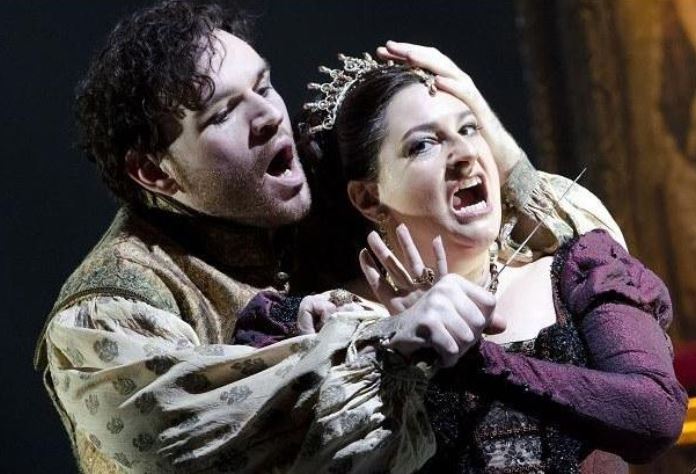
The examples Astrid draws upon in the first part of her talk include a reference to Lucrezia Borgia (1480-1519), the illegitimate daughter of Pope Alexander VI, who became a prominent and controversial figure during the Italian Renaissance. The story of her dramatic life has been a source of inspiration for different art forms. In portraits she is sometimes depicted holding a daisy symbolising innocence amidst controversy. The opera that Astrid chose to mention in this connection was Gaetano Donizetti’s opera, Lucrezia Borgia, based on Victor Hugo’s play of the same name. Examples of visual art work Astrid goes on to reference are Caravaggio, Rubens and Titan, all of whom were influenced by Lucrezia’s story.
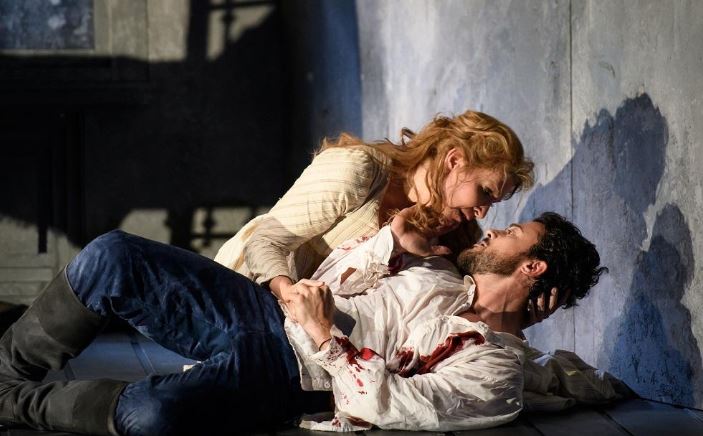
Another opera drawn upon in this section is the opera, Werther, composed by Jules Massenet (1842-1912), a French composer of the Romantic era. The opera, emotionally charged, is based on Johann Wolfgang von Goethe’s novel, The Sorrows of Young Werther.
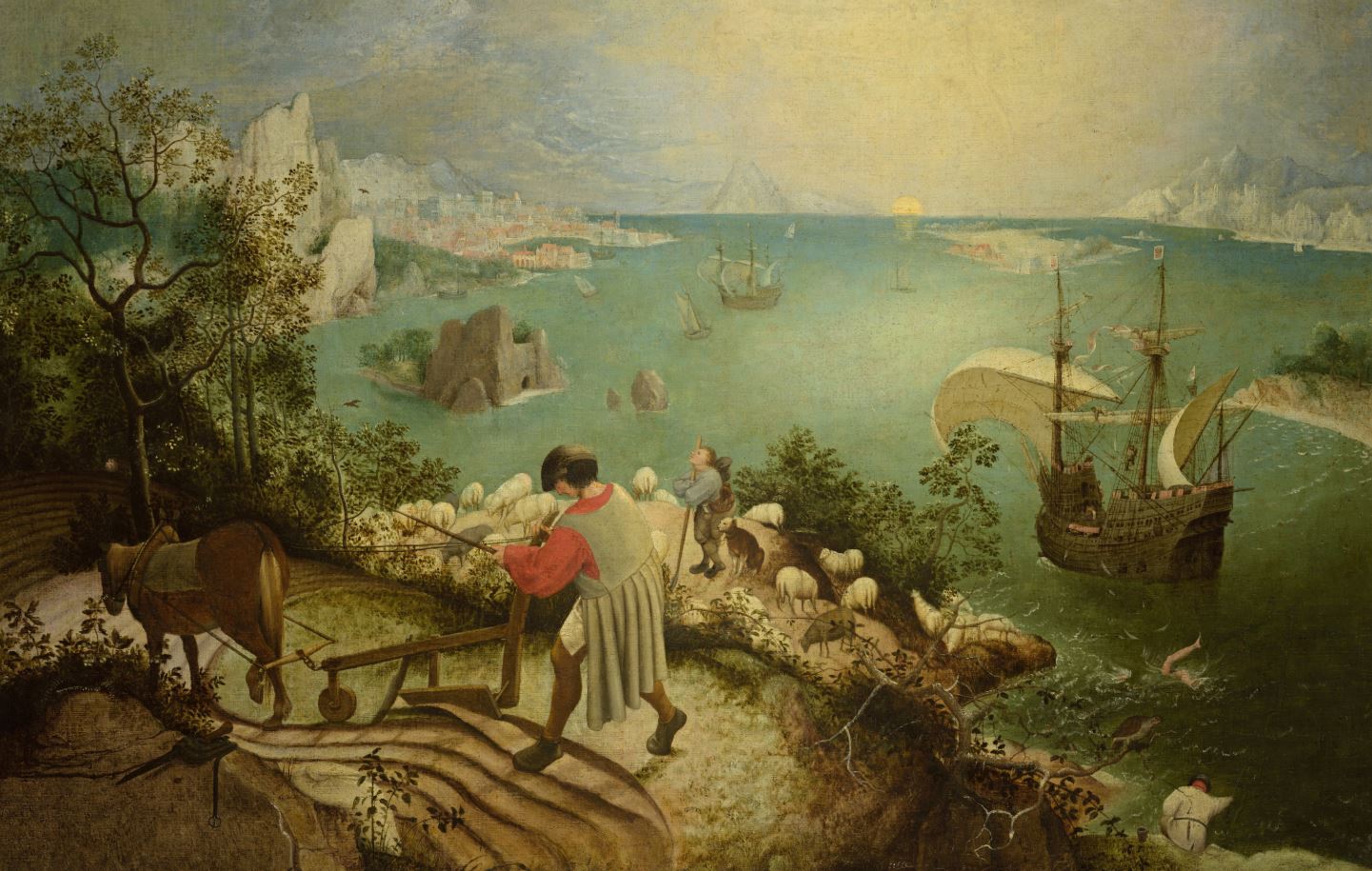
Helen references this opera alongside the visual artwork attributed to the Flemish Renaissance painter Pieter Brueghel the Elder (c.1525-1569), titled Landscape with the Fall of Icarus. As Astrid explains in her lecture, this piece of artwork is renowned for its lush Arcadian-like setting in which Icarus’s fall is a small detail, overshadowed by everyday life, thus reflecting human indifference to suffering. Anyone with knowledge of both the opera and the painting will make the connection.
Artwork Reconfigured on Stage
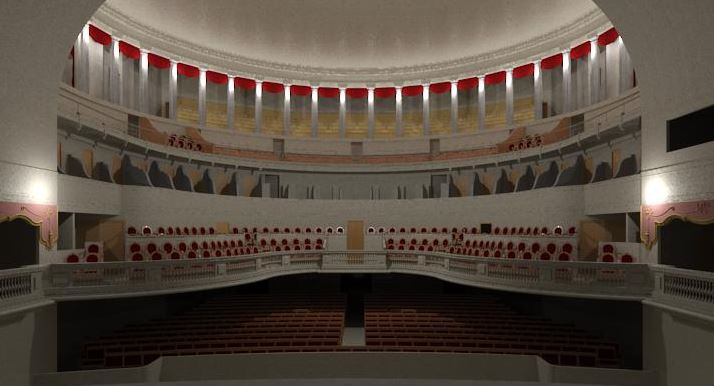
I’m interpreting this phrase roughly as the process of taking a pre-existing piece of art and translating it into a live, theatrical context. An interesting example Helen Astrid draws upon in this section is Architecture, referencing the work of the French Neoclassical architect, Claude Nicolas Ledoux (1736-1806), who work included the design of theatres, such as the Théâtre de Besançon (completed 1784). Its design was revolutionary for it broke away from the traditional, hierarchical design of Italian-style theatres, instead building a concentric auditorium layout, thereby offering better sightlines and acoustics for everyone … “everybody had the same view,” thus reflecting Enlightenment ideals of equality.

Astrid develops this section by providing a quote by the influential director, Jonathan Miller, who advised his artists to “Look at paintings to get inspiration.” The operatic and visual piece of artwork she goes on to illustrate her argument are Don Pasquale by Gaetano Donizetti and the painting, Les Jeunes, painted by Franciso de Goya. The former is a comic opera in which an elderly and wealthy bachelor is tricked into a mock marriage with a young woman, the latter depicts a fashionable young woman reading a letter with her servant and dog, contrasted with background washer women, illustrating social contrasts.
Artists who work in the Theatre

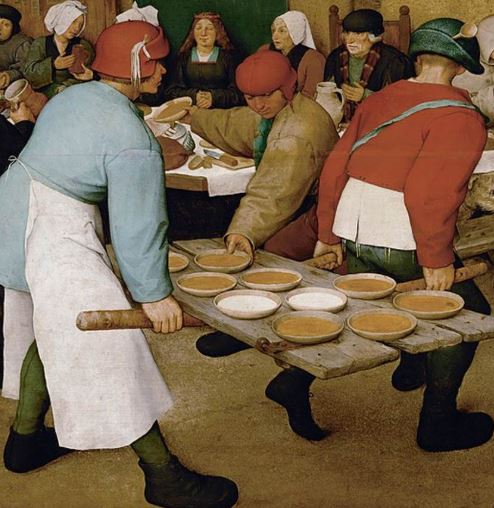
In this section Helen Astrid discusses the impact of iconic figures such as Richard Wagner and references the interplay between music, unconscious themes, and dramatic set pieces inspired by Rossini’s melodies and Greek tragedies. She highlights the immersive experience of theatre, including moments performed in total darkness and the use of rhythmic elements like a beating drum. A notable portion centres on Pieter Brueghel the Elder’s renowned painting, The Peasant Wedding (c. 1567-1568), a vivid portrayal of rural life and which includes customs surrounding the bride and bridegroom.
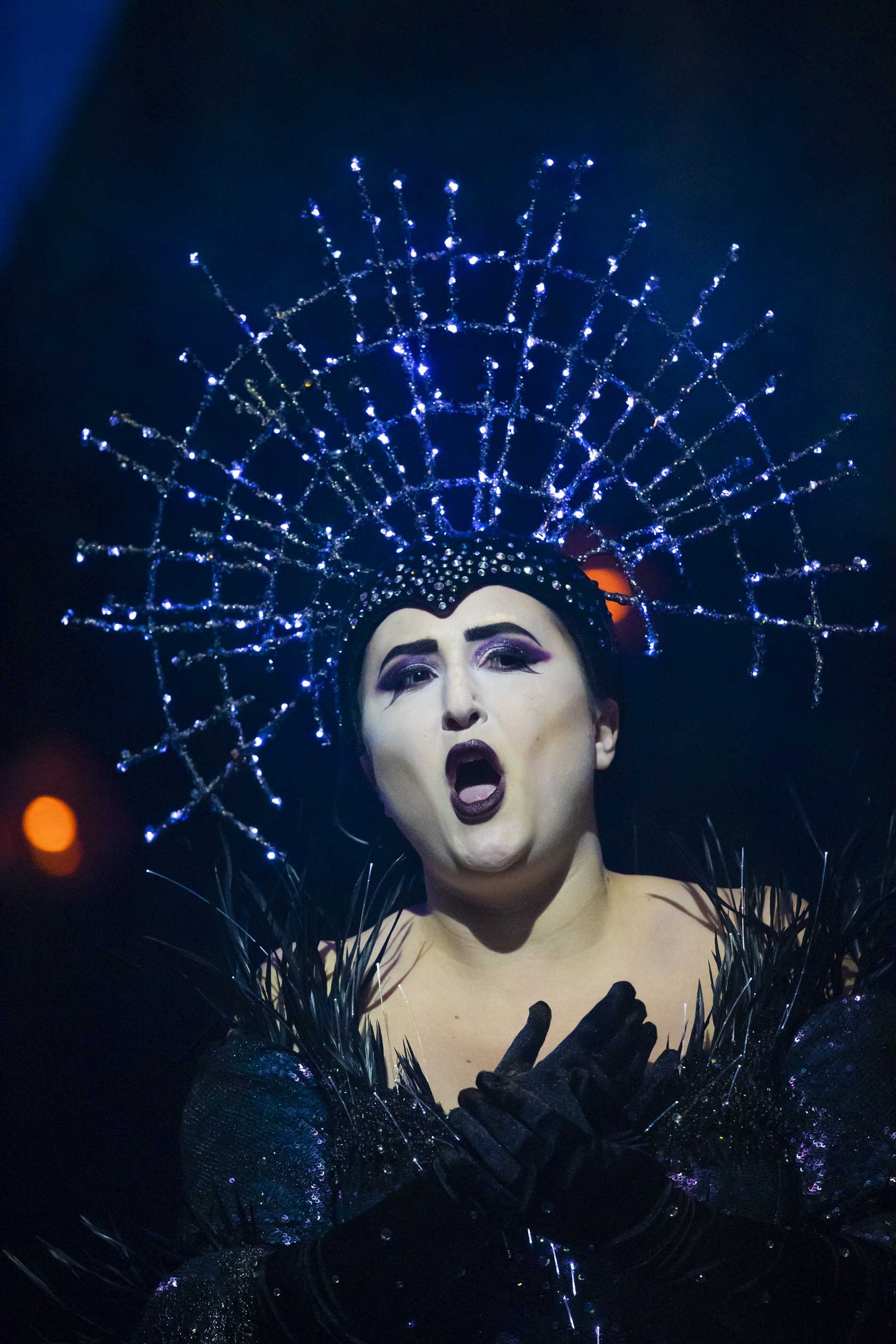
The character of the Queen of the Night from Mozart’s The Magic Flute is mentioned as a demanding and dramatic operatic role, celebrated for its technical vocal challenges. Additional comments include references to creative stage backdrops, spiritual and original approaches in set design, the use of animals and legendary figures like King David, and influences from artists such as Darius Milhaud and David Hockney. Costume design is noted as being inspired by both “degenerate art” and fashion icon Chanel, suggesting a blend of avant-garde and classic aesthetics in operatic production.
A Podcast as a Channel of Communication
The lecture provided a whistle-stop tour through a truly fascinating area of research. However, I encountered several issues regarding the production quality and overall engagement. The audio quality was substandard, leading me to pause and replay the podcast frequently in order to fully understand the content. Whilst the visual artwork was of a high calibre, at times the images failed to correspond with the subject matter of the talk, and both the pictures and the referenced operas would have benefited from clearer signposting and labelling. The lecture itself was structured in three distinct sections. Rather than presenting a single hour-long podcast, it would have been preferable to produce three separate half-hour episodes, allowing for more focused and concise explanations that better linked the visual artwork to the operas under discussion. Nevertheless, the topic itself was highly engaging, which ultimately compelled me to persist with the podcast.
Celia Bard, January 2026
Photography by Donald Cooper, Bill Cooper, James Glossop, WGHO and Wild Arts

 Mark Aspen