
Loyalties
Rich Man (Poor Man) . . . and the Thief ?
Loyalties
by John Galsworthy
The Questors Theatre at the Judi Dench Playhouse until 31stJanuary
Review by Polly Davies
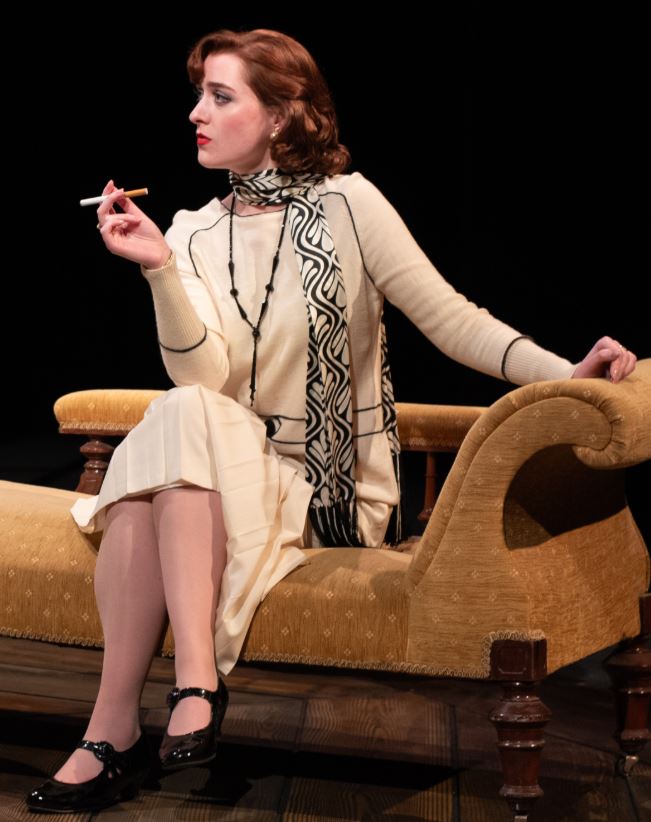
John Galsworthy’s stylish play is part drawing-room drama and part a thoughtful exposition of the tensions produced by the social norms in the Nineteenth Century, and still evident to a large extent today. It is a courageous choice by the Questors at a time when prejudice in general, and anti-Semitism in particular are once more in the forefront of societal and political discourse. But I’m glad they made it. Loyalties is a beautifully constructed play, dealing with some tough subjects and Francis Lloyd’s direction delivers a very enjoyable evening.
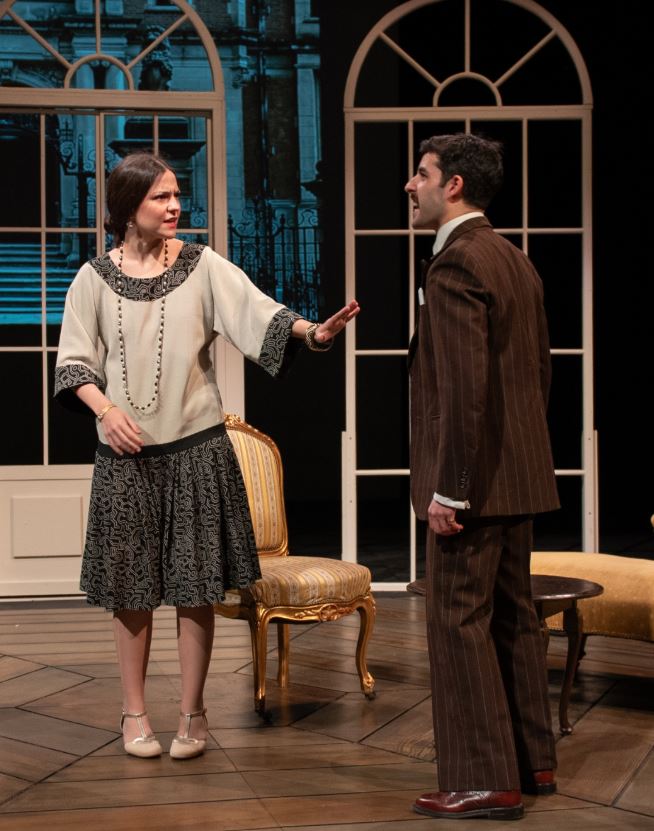
The scene is set in the first Act. Ferdinand de Levis is attending a country house weekend in the home of Charles and Adela Winsor, including attending the races at Newmarket. That night he discovers that the money he got for selling a horse has been stolen from his room. The most likely candidate as thief is a fellow guest, Ronald Dancy, an officer and a gentleman; an embarrassing dilemma for a host on any occasion.
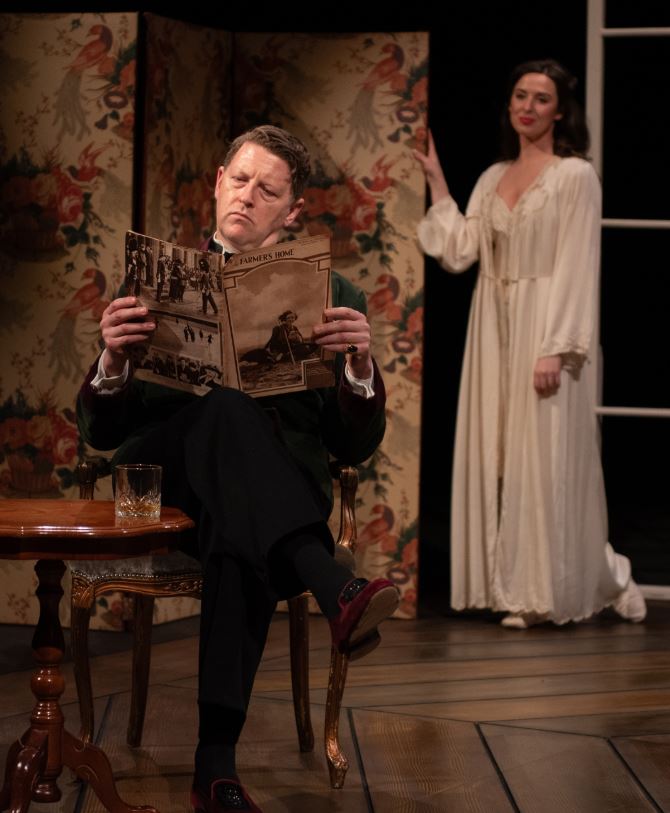
But there are special circumstances here. De Levis is the outsider, a wealthy businessman, not part of the local gentry like the rest of the house party. The theft seems real, so what to do? Straight away the difference between him and his hosts is exposed. They worry about good form and don’t want a fuss made. He understandably is concerned, demands the police are called and assumes that as an outsider it is his Jewishness that is causing the reluctance of his hosts. The play has three Acts, each with two scenes. What seems a straightforward story is far from so. Each and every scene contains an unexpected development. But at its heart the play is dealing with conflicting loyalties, and underlying prejudice.
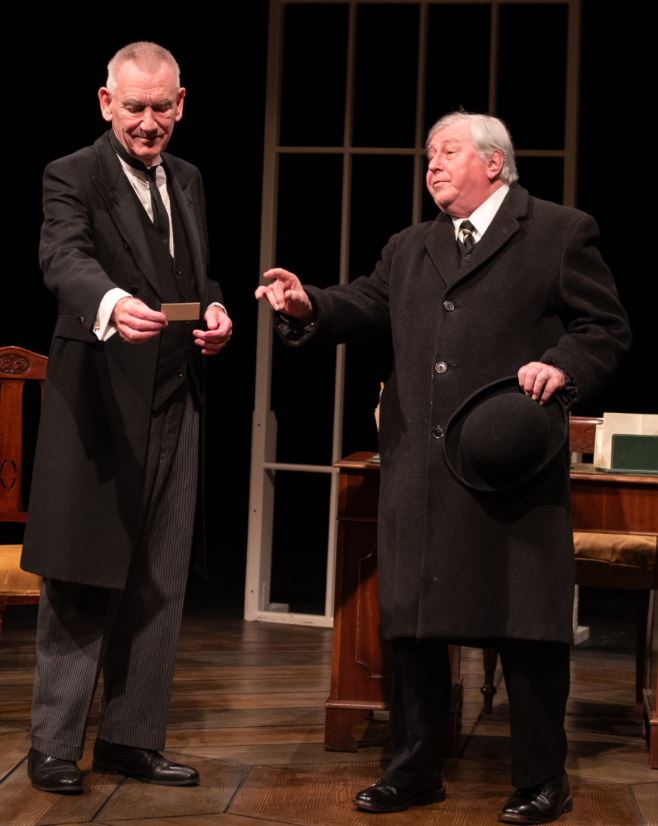
How are the county set to deal with the possibility that one of theirs is a thief, and if he is how far should they protect him? When De Levis and Dancy are members of the same club how can the reputation of the club be maintained, who needs to go? And when a lawyer is faced with a moral dilemma, what wins, the client or the law? And the prejudice: is De Levis a bit too precious about his race, how much to believe the protestations of affection for Jews? But you can’t ignore the prejudice, the words of Dancy and Gilman, the chilling response of Margaret to Adela’s declaration that her grandmother was Jewish, the mocking of the foreign wine merchant.
Some very skilful set changes are enhanced by the fascinating newsreel scenes and photos projected behind the set, which helps to keep track of the various locations as the cast moved from country to town, as did the location reminder captions, shown at the side of the stage. This is very much an ensemble piece with some super cameos. I particularly enjoyed Alexander Upton’s very modern Margaret Orme, Mark Redup’s Inspector Dede, Howard Shepherdson’s Jacob Twisden and John Dobson as Gilman, but it was a difficult choice to pick out a few from a talented cast.
Polly Davies, January 2026
Photography by Jane Arnold-Forster

 Mark Aspen