
Das Lied von der Erde
The Ninth Symphony that Wasn’t
Das Lied von der Erde
by Gustav Mahler, libretto by Hans Bethge
Wild Arts at Sinfonia Smith Square, Westminster, 31st March
Review by Patrick Shorrock
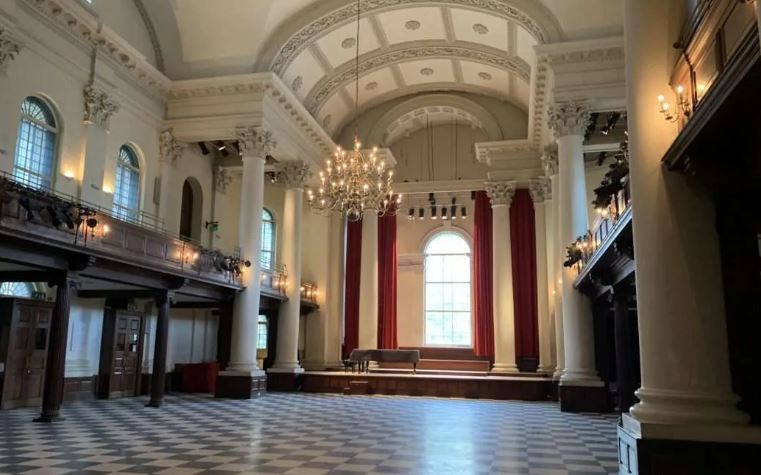
Whether Das Lied von der Erde is a symphony or a song cycle is a bit of a non-question after a splendid performance like this one. (Mahler, writing the piece at a very low ebb after completing his massive Eighth, was aware that Beethoven had managed no more than nine symphonies, and apparently feared that he wouldn’t either.) I was simply left grateful for the sheer quality of this performance and the vividness with which it expresses life’s potential for renewal, even when faced with separation and transience. The audience didn’t applaud between songs or movements, but the length of the silence between the end of the piece and the start of the applause was an indication of how reluctant everyone was to break the magic.
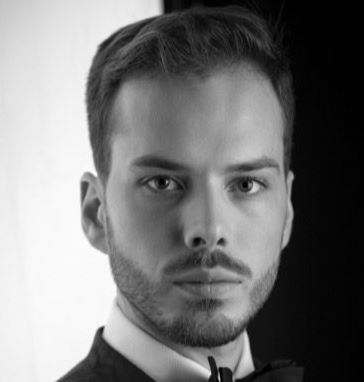
It is a daunting piece that makes fearsome demands on the singers, as the tenor has to sing at the top of his range against a positively torrential orchestra (even in Iain Farrington’s arrangement for seventeen players). The roll call of distinguished singers who have sung this includes Julius Patzak, Peter Schreier, Fritz Wunderlich, Kathleen Ferrier, Janet Baker, and Christa Ludwig, to name but a few, and is enough to frighten off anyone from singing these parts live. So, all the more reason to be grateful to Marta Fontanals-Simmonds and Xavier Hetherington for taking on and triumphantly surmounting this formidable challenge.
It is underselling Iain Farrington’s arrangement to call it a chamber version when it doesn’t have recourse to a piano, but does include a horn, trumpet, and trombone, not to mention a harp and celeste. It sounds weird and magnificent and still makes a huge amount of noise, while bringing a wonderful clarity and freshness to the sound. The Wild Arts Ensemble are formidable players and understand that Mahler needs a bit of rawness and edge rather than something plush and well-upholstered. It is good to hear that there are plans for this performance to be recorded and to be available on CD in Autumn 2027.
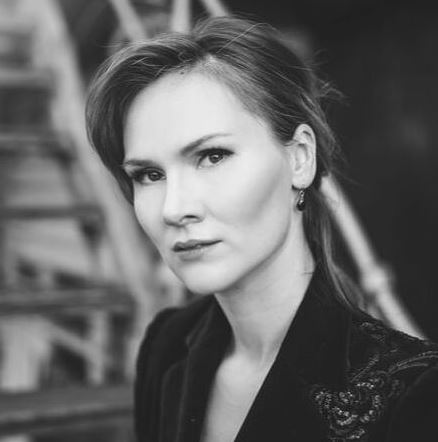
Xavier Hetherington’s cleanly produced tenor had a core of steel and never lost its sweetness, even if periodically he was overwhelmed by the orchestra at full tilt. This was a well-mannered and tasteful performance but never bland, even if it didn’t entirely convey the angst of someone drinking to excess in denial of the imminence of death. At first, I thought that Marta Fontanals-Simmonds was going to be too light-voiced and worried that she wouldn’t have the edge and heft to cut through the thick orchestral texture. My fears weren’t justified, and she achieved a silver-voiced almost Straussian serenity in the Abschied that was moving and impressive. She had the flexibility to convey a broad range of moods and colours with a simple directness that was very telling – she let the music speak for itself and never left you feeling that she was imposing too much intensity on it. Orland Jopling’s conducting clearly represents a labour of love. His co-ordination of his players never went into overdrive, and the cumulative impact was utterly magnificent.
My one complaint is that it is about time that venues lost their inhibitions about surtitles. It is impossible for non-German speakers to engage fully with Mahler’s text, when all you have is a programme with the text and translation to reread hurriedly before the performance. If opera companies now all do it, then concert halls should follow their example.
Patrick Shorrock, March 2026
Photography by Syngenta Ferrier and Hubert Harrison


 Mark Aspen
In the second from last para the ‘o’ is left off Orlando’s name