
A Marriage Made in Hell
Dance of Death
by August Strindberg, adapted by Richard Eyre
OT Productions at the Orange Tree Theatre, Richmond until 7th March
Review by Patrick Shorrock
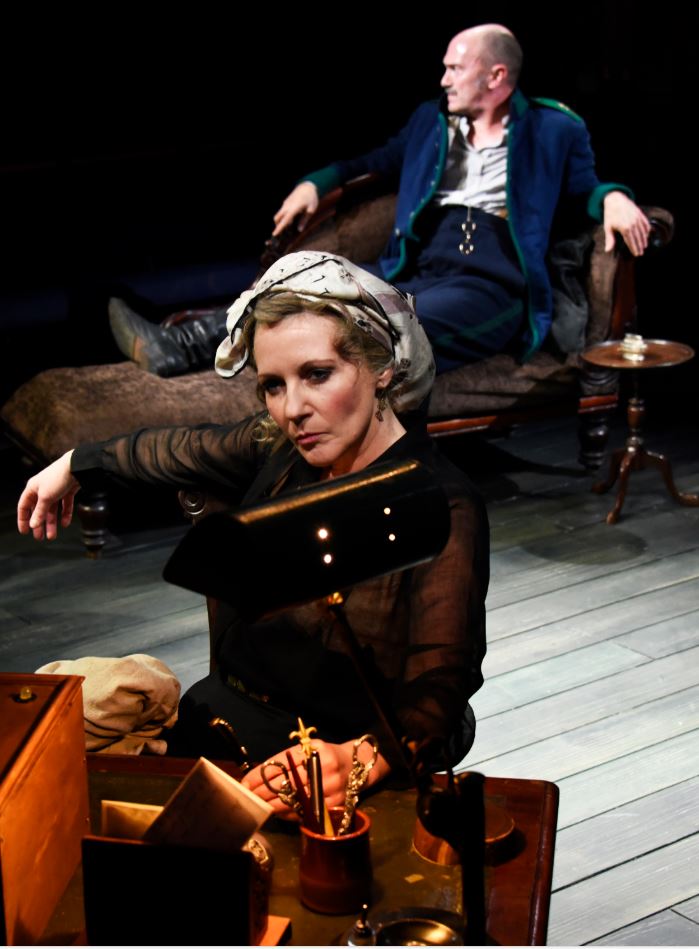
Samuel Butler once wrote: “It was very good of God to let Carlyle and Mrs. Carlyle marry one another and so make only two people miserable instead of four.” Alice and Edgar, the awful unhappy couple in Strindberg’s Dance of Death, would clearly find the Carlyles lamentably unambitious, as they take turns to make mincemeat of Kurt, who is Alice’s cousin and Edgar’s friend, and who is unwise enough to pay them a visit.
We are told that the servants (understandably) have abandoned this nasty couple to their own devices, and that their neighbours avoid their company as much as possible (I don’t blame them). This comes across as a sardonic joke by Strindberg at the audience’s expense, as we have the misfortune to be shut in a darkened theatre with Edgar and Alice for two hours (albeit with a fifteen-minute interval). Will Keen, as Edgar, gives a wonderfully detailed portrayal of toxic militarism that is mixed with strokes and fainting fits that he seems able to deploy at will. Lisa Dillon plays Alice unhammily as a confused blend of frustrated attention-seeking retired actress addicted to manipulation, an oppressed woman damaged by patriarchy.
Read more…Things That Go Bump
2:22 — A Ghost Story
by Danny Robins
Runaway Entertainment at Richmond Theatre, until 7thFebruary
Review by Harry Zimmerman
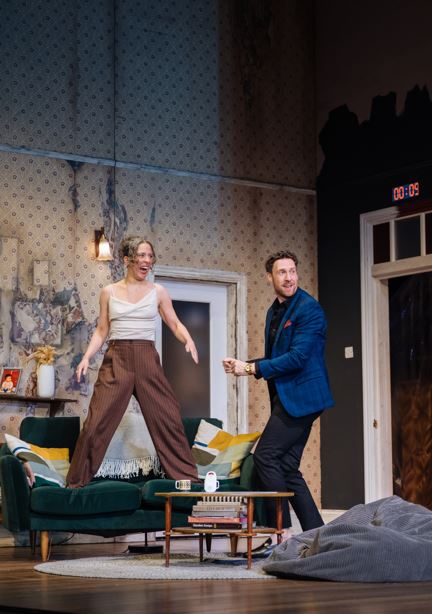
It is fair to say that 2.22 – A Ghost Story has a legitimate claim to being one of the most successful plays in British Theatre over the last five years. The statistics are impressive. Since its 2021 debut, it has played regularly across the UK and Ireland. The show has been seen by over one million people in seventeen different countries across five continents. It holds the all-time record for the most transfers in the West End and has been nominated for three Olivier awards. This particular production is its fourth extensive UK-wide tour.
Continually refreshing and resetting itself for UK tours and London residences, the play has also been instrumental in catapulting its writer, Danny Robins, to a pre-eminent position in what may be termed populist ghost broadcasting. Robins is the creator and host of the tremendously successful radio, TV and podcast show Uncanny, which investigates creepy paranormal experiences sent in by the general public. Uncanny is the ideal listening companion late at night, if you are that way inclined.
Read more…Séance For Lost Gods
Dagmarr’s Dimanche : Songs from the Cinema
Hersh Dagmarr at The Crazy Coqs, Soho, 1st February, then on tour until 24th March
Review by Ravenna Vale
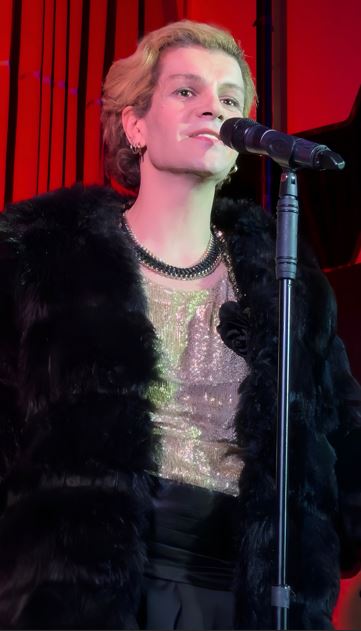
At Crazy Coqs, in a room already steeped in theatrical memory, Hersh Dagmarr’s Dagmarr’s Dimanche : Songs from the Cinema unfolded like a séance for Hollywood’s lost gods. On a dank Sunday February evening, Dagmarr, that flamboyant and restless spectre of cabaret, summoned a world of celluloid glamour with intelligence, irony, and genuine emotional grit. Accompanied by the exquisitely attuned pianist Karen Newby, this was not nostalgia as museum piece, but cinema remembered through lived feeling and sharpened craft.
From the opening strains of Alfred Newman’s Street Scene, gliding seamlessly into Mae West’s wickedly suggestive I Found a New Way to Go to Town, the audience was ushered into a realm where wit and danger cohabit. Dagmarr does not imitate the screen legends he reveres. Instead, he channels their essence, allowing their songs to breathe anew through his own singular persona. His delivery of You Little So and So captured Marlene Dietrich’s smoky disdain while adding a flicker of mischief entirely his own.
Read more…Motherhood
Ballad Lines
by Finn Anderson and Tania Azevedo
Aria Entertainment and KT Producing at The Southwark Playhouse Elephant until 21stMarch
Review by Vince Francis
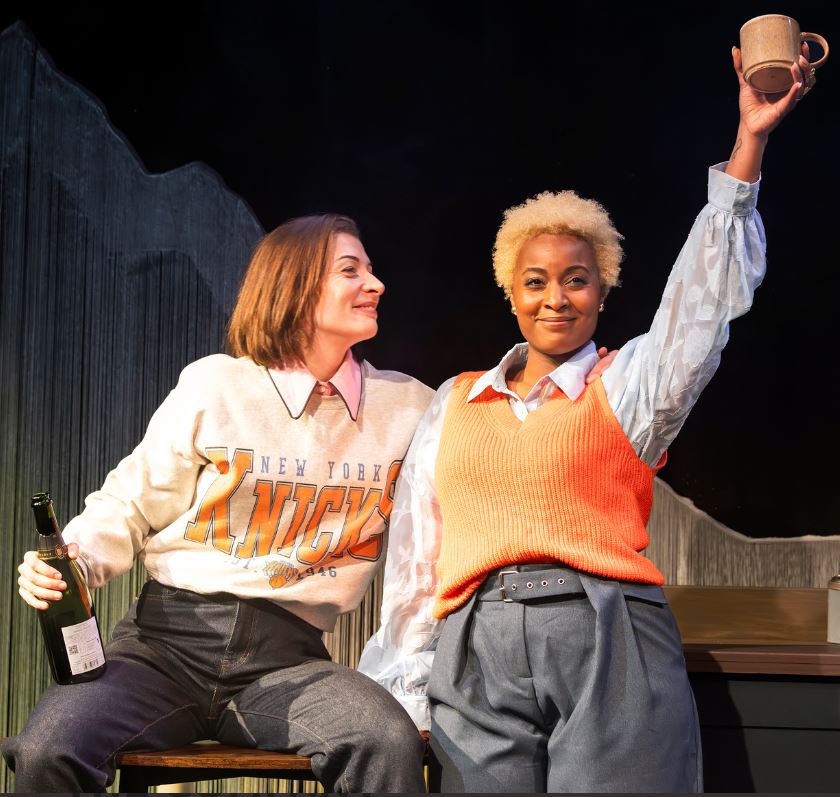
Striding along Kennington Park Road on a fresh January evening, I was feeling quite excited at the prospect of seeing a new work at Southwark Playhouse, itself a hotbed of such endeavours. However, I wasn’t going into this “blind”. As is the current practice much information is available online, including a cast recording of the show on Spotify, and various YouTube videos showing parts of the rehearsal process and interviews with the writers, Finn Anderson and Tania Azevedo, and musical director, Shonagh Murray. The intent of Anderson and Azevedo was to explore two key themes in parallel. Firstly, the migration of traditional ballads and how they survived and-or evolved in their new environments. In itself, this would possibly be a worthy topic, but the struggles of women and their agency around childbearing, often reflected in the ballads, suggested a second line of exploration on which to develop this piece.
Read more…Rich Man (Poor Man) . . . and the Thief ?
Loyalties
by John Galsworthy
The Questors Theatre at the Judi Dench Playhouse until 31stJanuary
Review by Polly Davies
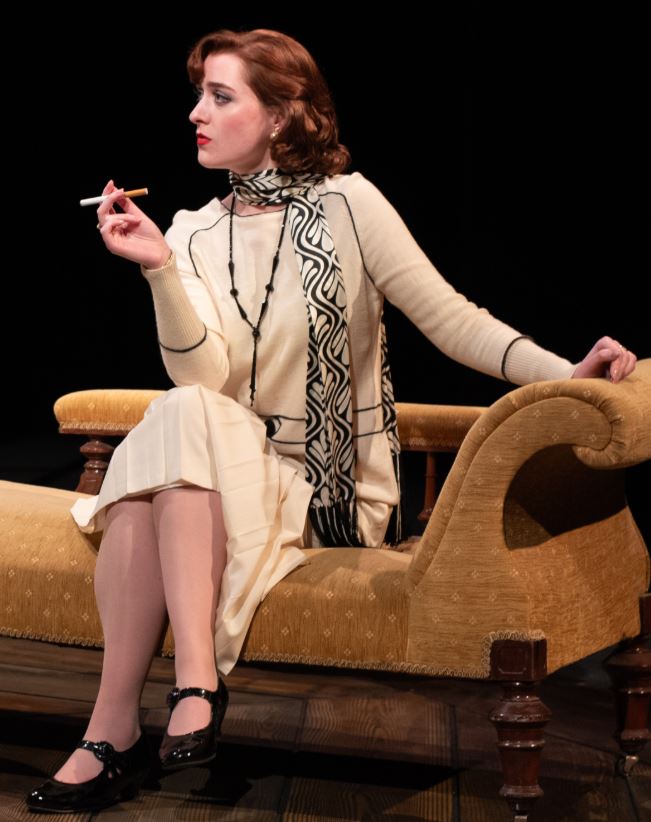
John Galsworthy’s stylish play is part drawing-room drama and part a thoughtful exposition of the tensions produced by the social norms in the Nineteenth Century, and still evident to a large extent today. It is a courageous choice by the Questors at a time when prejudice in general, and anti-Semitism in particular are once more in the forefront of societal and political discourse. But I’m glad they made it. Loyalties is a beautifully constructed play, dealing with some tough subjects and Francis Lloyd’s direction delivers a very enjoyable evening.
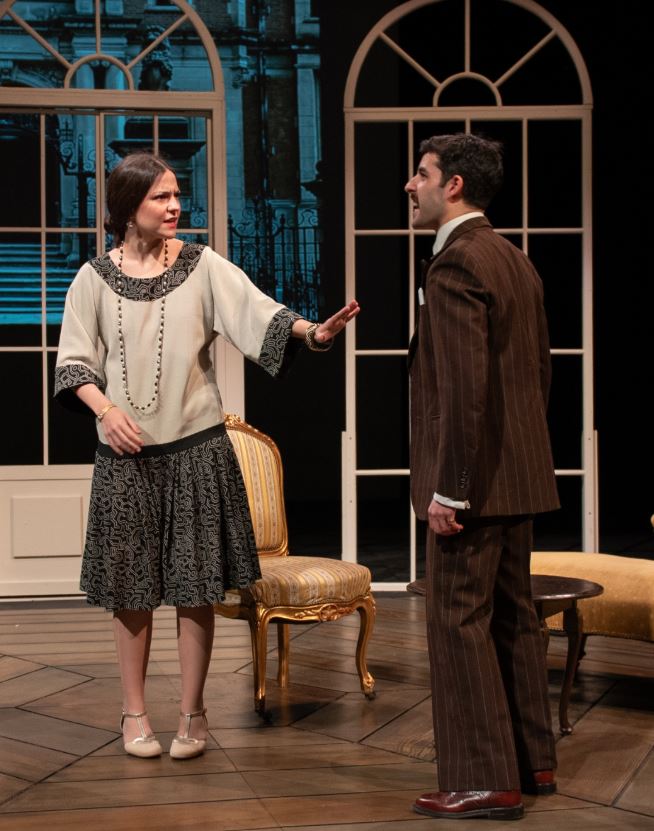
The scene is set in the first Act. Ferdinand de Levis is attending a country house weekend in the home of Charles and Adela Winsor, including attending the races at Newmarket. That night he discovers that the money he got for selling a horse has been stolen from his room. The most likely candidate as thief is a fellow guest, Ronald Dancy, an officer and a gentleman; an embarrassing dilemma for a host on any occasion.
Read more…Eye and Ear
Art in Opera
by Helen Astrid
Wild Arts in Podcast
Review by Celia Bard
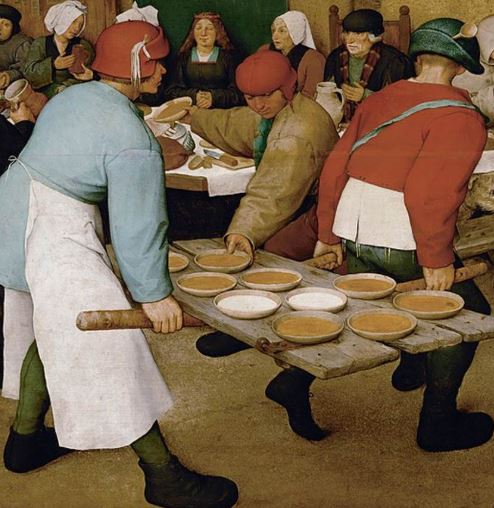
Art in Opera: what a splendid title! Each has at is heart the concept of storytelling, with paintings acting as a visual narrative and opera using song and theatrical elements to convey complex plots and deep character insights. The synthesis between these two forms of art explored in this podcast promised to be both innovative and interesting.
The podcast was produced by the opera company Wild Arts. The lecturer is Helen Astrid who runs her own opera singing academy and is known for her expertise as both a broadcaster and lecturer on opera. Given her impressive background, I approached the YouTube link with eager anticipation.
Read more…All in a Flap
The Rivals
by Richard Brinsley Sheridan
Orange Tree Productions at the Orange Tree Theatre until 24thJanuary
Review by Susan Furnell
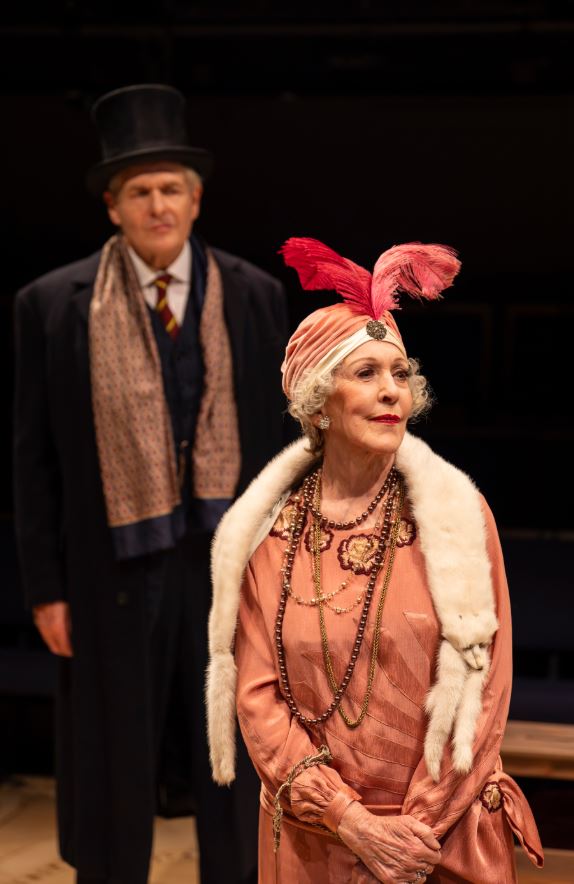
Tom Littler’s update of The Rivals to a modernised script and to the feel-good 1920s, with Charleston music, flapper dresses, feathered hats pin, striped suits and blazers and dancing with disco lights, was a triumphant success, radiating joy and laughs from the moment we entered the auditor (accompanied by the song You’re the Cream in my Coffee) until the last bows.
Read more…Up for the Chop
Gawain and the Green Knight
by Gabriel Fogarty-Graveson and Felix Grainger
Make It Beautiful at the Park Theatre, Finsbury Park until 24th December

Sir Gawain and the Green Knight is a 14th-century chivalric poem and Arthurian legend. It tells the story of Gawain, one of the Knights of the Round Table, who challenges a mysterious, formidable, and seemingly unbeatable Green Knight who has dared any man to strike him with an axe, promising to return the blow in a year and a day.
In an imaginative move, theatre company Make It Beautiful has created a lightly comedic reimagining of the story set in the present-day offices of cybersecurity firm, Camelot Corporation. The new CEO has decided to give the company an Arthurian rebrand and required all her staff to adopt new names. She is now called Arthur, her deputy is Lancelot, and the rather dull IT guy, Gary, is now to be known as Gawain. He is considered rather boring and miserable, so after ten years at the firm, poor old Gary, sorry, Gawain, is being banished — i.e., made redundant. As reasons for dismissal go, this might not stand up under the Employment Rights Act 2025, but let’s go with it, as well as the rather unusual redeployment process which involves the introduction of a mystical Green Knight and Gary-Gawain being given the opportunity to begins an epic quest to embody the five traits of courage, chastity, honour, generosity, and nobility.
Read more…Bright and Beautiful
Beauty and The Beast
by Loz Keal
Exchange Players at The Exchange Theatre until 21stDecember
Review by Heather Moulson
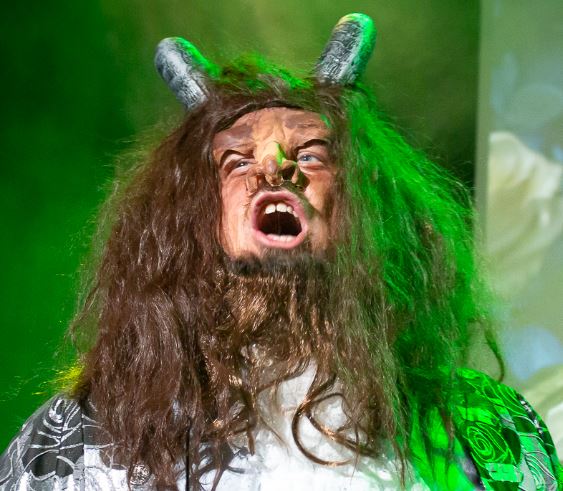
It was my first visit to a pantomime at the Exchange, and I was unfamiliar with the full story of Beauty and the Beast. However, a strong introduction to the tale by The Enchantress, played by Helen Geldert, soon put me in the picture.
Read more…Bang and Whimper
Most Favoured
by David Ireland
19thStreet Productions and María Inés Olmedo Projects at The Soho Theatre, Soho until 24thJanuary 2026
Review by Harry Zimmerman
Most Favoured is a relatively succinct production, (45 minutes long) with an intriguing seasonal premise.

In a cheap and cheerful hotel room, with dishevelled bedding and clothing strewn over the headboard and across the floor, we encounter Glaswegian Mary and American Michael after a rather torrid one-night stand during The Edinburgh Festival.
Both characters are ecstatic, but for different reasons. Mary is on a high from having had the best sex of her life. Michael’s satisfaction manifests itself in a very different way. His euphoria is a result not of the physical events of the night before, but his rapturous appreciation of a bucket of Kentucky Fried Chicken, which he has never experienced before, despite being American.
Read more…

 Mark Aspen