
English as another language
Quartermaine’s Terms
by Simon Gray
Richmond Shakespeare Society, Mary Wallace Theatre, until 24 July
Review by Matthew Grierson
As St John Quartermaine (Luke Daxon) enters the common room of Cull–Loomis Academy, Cambridge, he touches various props and pieces of furniture as though to affirm their reality. Were I allowed, I may have done likewise, given that it’s so long since I’ve been in an actual theatre and I wanted to be sure what I was seeing was directly in front of me and not just a digital projection.
But the silent conceit sets up effectively the play’s contrast between words and world, later touched on when one of Quartermaine’s fellow English language teachers refers to the dispute between nominalists and realists in Medieval philosophy. The premise allows director Rodney Figaro and his cast to mine a rich seam of misunderstanding in what proves to be a farce of the mind – or perhaps the mouth, given that it is not bodies but words that are forever missing their mark.
The production does, admittedly, take a little while to get going, with the opening exchange between Quartermaine and Anita Manchip (Charlotte Horobin) for instance seeming a little stilted and wordy, as though they, like us, are only just getting used to small talk once again. Quartermaine’s general cluelessness means his colleagues tend to info-dump their private lives on him, which brings us up to speed without making them seem particularly real, at least at first. This is coupled with characterisations that are, initially, a little broad, be they absent-minded professor or wronged wife, and subsequently a depressive writer, angry northerner and bluff windbag, among others. They are the English equivalents of the very stereotypes the faculty harbours about their international students.
Read more…Dream Magic from Down-Under
A Midsummer Night’s Dream: Preview
Australian Shakespeare Company at Kew Gardens from 29th July
Preview with Thomas Forsythe and Peter Amesbury
Drama critic Thomas Forsythe talks to Peter Amesbury, Production Manager of the Australian Shakespeare Company, about the open-air production of A Midsummer Night’s Dream coming soon to Kew Gardens
TF: It’s exciting to hear that The Royal Botanic Gardens will once again be welcoming Theatre On Kew, the touring company of the Australian Shakespeare Company, to Kew Gardens to show us its “flagship production”of Shakespeare’s A Midsummer Night’s Dream. It’s quite a way from its home in Melbourne! I was wondering how this partnership started. Did the ASC suggest coming to Kew or did you have an invitation from RBG? How did it all start?
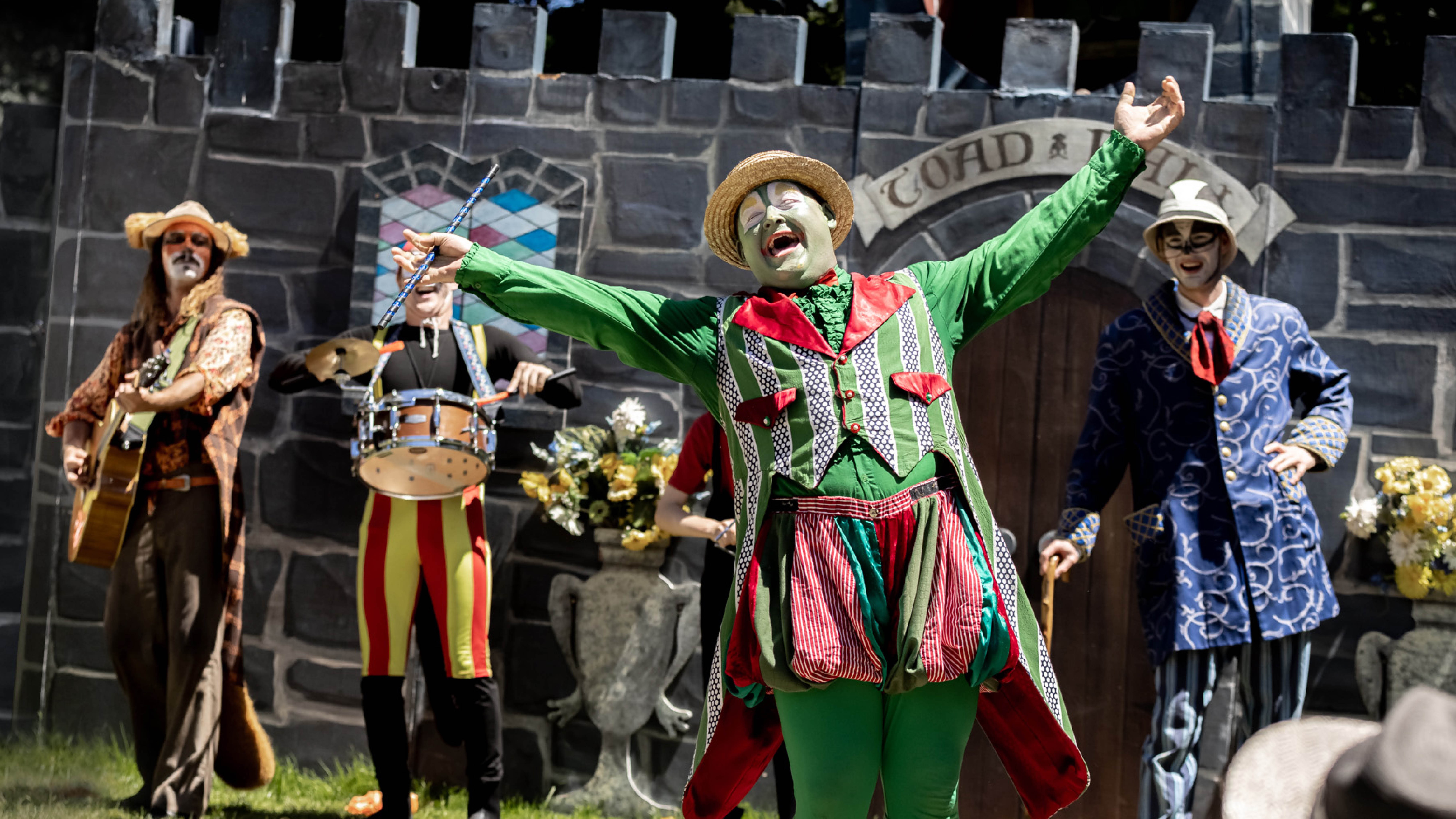
PA: The Australian Shakespeare Company has been a leading force in outdoor theatre for over thirty years, having strong partnerships with both the Royal Botanic Gardens in Melbourne and Sydney. In particular, Glenn Elston’s production of The Wind in the Willows has nurtured countless Aussie kids. Being a staple in early childhood experiences across countless generations, it’s almost tricky to find someone who doesn’t remember seeing it at some stage in their early childhood. I think that’s a pretty special party of the company.
A Midsummer Night’s Dream was also the first Shakespeare production Glenn staged with the company as Artistic Director, marking a new incarnation of the company under his watch.
Read more…Generation Gap and Other Current Problems
The Children
by Lucy Kirkwood
The Questors, at the Judy Dench Playhouse, Ealing until 17th July
Review by David Stephens
On Monday evening, I witnessed my own electrical disaster when, following the torrential rain and resulting flash floods, and while on call as an Electrical Engineer, I spent the entire night pumping water from a number of live substations. It was, therefore, off the back of a sleepless night and with a pair of extremely heavy eyelids that I set out to attend Tuesday night’s performance of The Children at The Questors Theatre in Ealing. My main concern was not, therefore, whether I’d enjoy the play, but, rather, whether I’d make it to the end without falling into a deep, and potentially very noisy, slumber. However, I needn’t have worried.
Read more…Nectar but No Honey
Prima le Parole
Opera Live At Home, On-line from 29th June
Review by Mark Aspen
Have you ever watched a bee zipping from bloom to bloom collecting nectar as he buzzes about his business totally engaged? Our busy bee at Opera Live At Home seventh on-line production was Tama Matheson, who was introduced by the tireless Helen Astrid the programme’s founder and presenter, as an illustrious and prolific opera director, who has worked at the Sydney Opera House and Covent Garden, as well as across Europe.
For his Prima le Parole, however, he was clearly his alter ego, a versatile drama practitioner, as actor and director. He is Artistic Director of the Brisbane Shakespeare Festival, but nevertheless tonight he was fully engaged as the unfazed consummate actor. Perhaps, as an actor, he was a little too trammelled by his script, for when he allowed himself off the leash, both his knowledge and his wit leapt out.

Watched over by his “tutorial spirits” Beethoven, Mozart, ever present over his right shoulder as hirsute terracotta busts, Matheson took us on a whistle-stop tour of a selection of operas and their inspirational literary sources, in order to answer the age-old question, which came first, the libretto or the opera’s music. It may be chicken-and-egg, but he rather let a spoiler out on his own views in the very title of his talk.
Read more…By the book
Macbeth
By William Shakespeare
The Lord Chamberlain’s Men at Chiswick House, 7 July; touring until September
Review by Matthew Grierson
TLCM’s production of Macbeth moves along at the pace of Raheem Sterling up the left of the field, and one suspects that the lads have half an eye on finishing the get-out in time to catch the end of the match. Why, their set of Gothic, rusty-looking battlements is even designed to come apart during the action, cunningly plucked into the bark of Birnam Wood by the advancing English army.
The driving rhythm of the piece is underpinned by the drumming of the weird sisters, presaging the haunting folk melody that accompanies them. But it also signifies the martial march of the action – and indeed, the pulse of blood through the play. It’s a production that hits all the expected beats.

Flippancy to Deep Conviction
Are You Going to Do That Little Jump?
by Robert Gillespie
Nightwork pp.267
Review by Patrick Adams
Robert Gillespie is a great raconteur, whose reminiscences of working with the greats in theatre, past and present, are retold with realism. He has spent a life rubbing shoulders with the great, the good and the not so good, from Donald Wolfit, Cyril Cusack, Roy Kinnear or Julie Walters to eastern European spies.
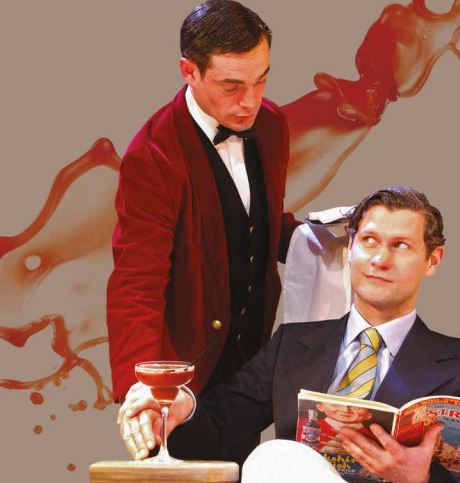
Gillespie is an accomplished word-smith and creator of images that stick in the mind. As such this, his second autobiographical book of working with theatre folk past and present, makes a good coffee table read, especially as it is written in short chapters enabling the reader to dip in and out at leisure.
His entertaining anecdotes of his time in repertory in the 1950’s and 1960’s raises many a smile and occasional eyebrow; coping with the word-learning process, paraphrasing when the playwrights words evade the memory, performing, rehearsing and word-learning, and all at the same time. As he puts it, “An eye-opener. … crude characterisation, obvious paraphrasing and a sense of forced energy floating on chronic fatigue, with never enough time to do your work or live properly”. Strong stuff. He also talks of the great and “up and coming” actors of the period.
Read more…It’s All Happening at the Zoo
Zoo and Seven Monologues
by Lily Bevan
Teddington Theatre Club at Hampton Hill Theatre until 10th July
Review by Andrew Lawston
It’s the first night back in sixteen months for Teddington Theatre Club at Hampton Hill Theatre, and the sense of relief, excitement, and goodwill is palpable. Artistic Director Lottie Walker marks the occasion with some brief words of welcome and receives warm applause.
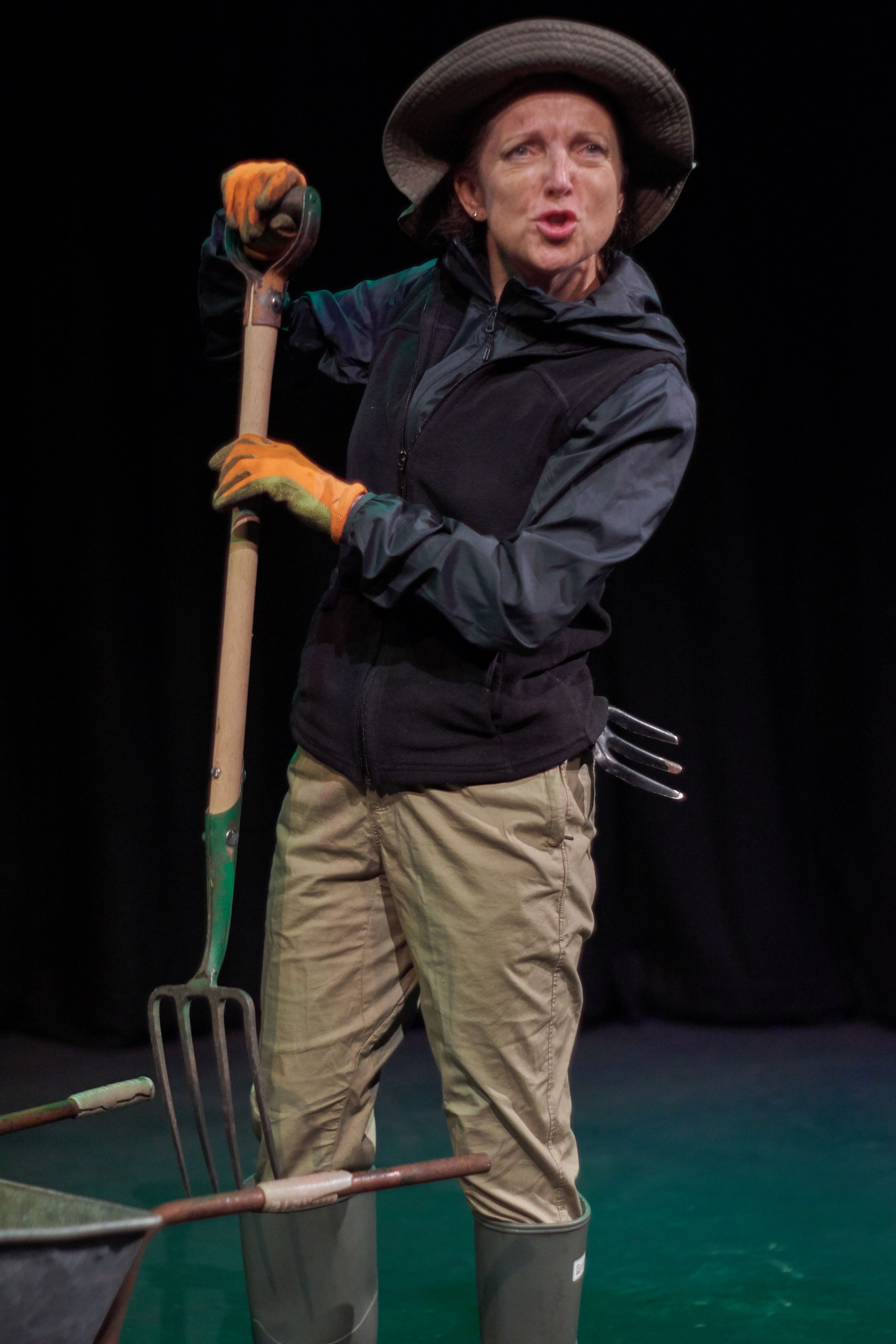
And without further ado, we’re off for a half-dozen monologues by Lily Bevan. These brisk and well-observed pieces are performed on a plain set, with effective costumes from Lesley Alexander (the sheep with a plaster cast and crutches for Nativity was particularly fun) and occasional props; a wheelbarrow for Helen Geldert’s enthusiastic gardener in Allotment, or a glass of red wine for Rebecca Tarry in Bridesmaid, sipping laconically as she takes the microphone from a boorish best man, and deconstructs the often agonising tradition of wedding speeches.
Read more…Haunting Images
Summerland
by Arlitia Jones
Richmond Shakespeare Society, Mary Wallace Theatre until 3rd July
Review by Eleanor Marsh
Nothing can be so deceiving as a photograph
Franz Kafka
First things first. It is wonderful to be back seeing live theatre and RSS have chosen to open with a play highly suitable for a nervous audience. A cast of three who are rarely in close proximity to each other is a good call for the times in which we find ourselves. And hats off to the efficient front of house team who managed the sold out (socially distanced) audience in a very firm and extremely friendly manner.
And now to the play…
A picture paints a thousand words and I have to say when I discovered the subject matter of this play was spiritualism and photography in 1869 I was surprised. The posters and artwork at first glance looked to be of a European field and a member of the Hitler Youth. I now realise the picture is of a confederate soldier, which does make me appear a little dim, but in my defence I must say that for some time, every reference I found to Summerland was of the film, which is set in the Second World War.
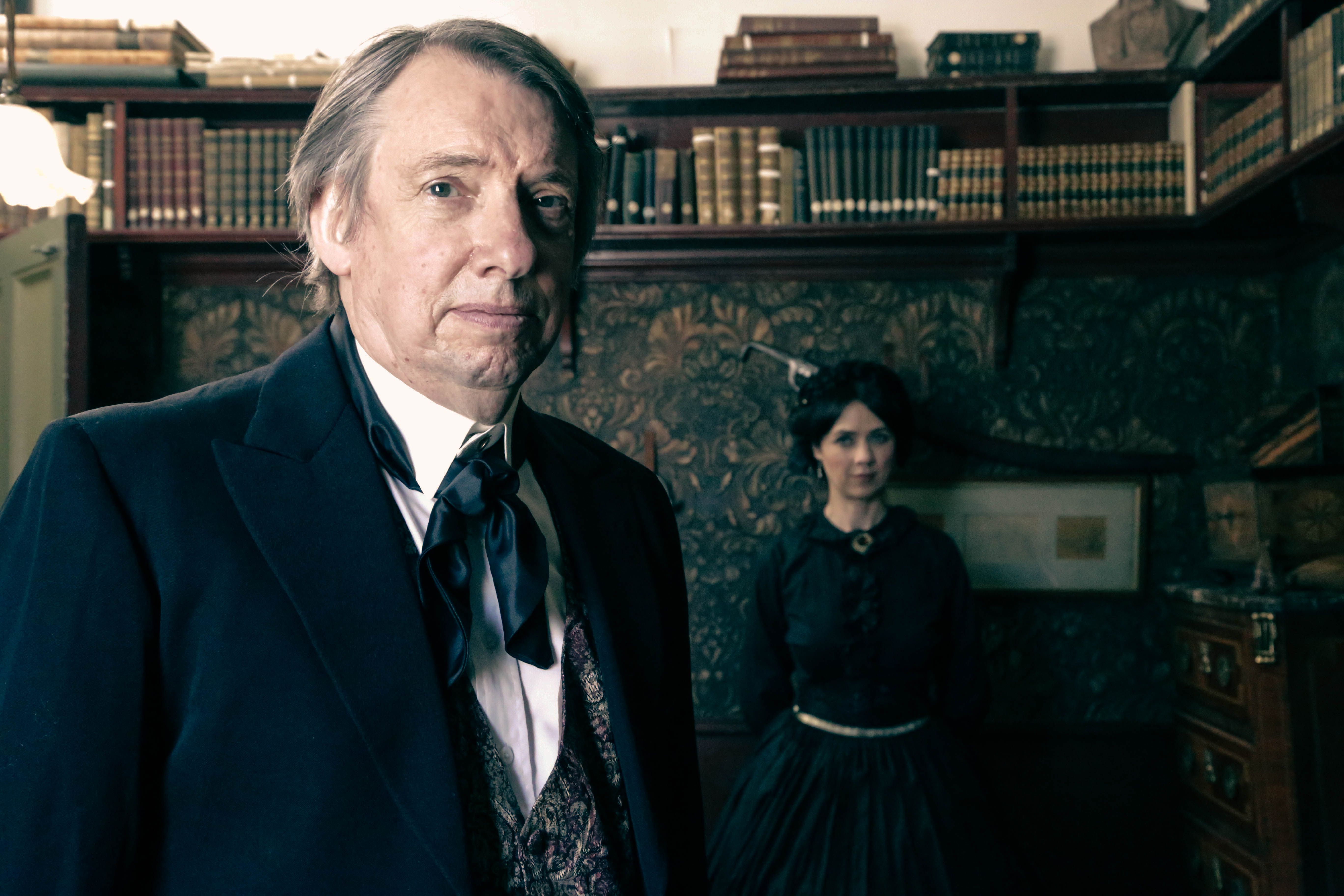
However, I fear that director Harry Medawar might have felt the same so painstaking was the attempt to set the audience in the correct time and place. Personally I could have done without the very long music in blackout at the beginning of the play. Much as I love both the Battle Hymn of the Republic and When Johnny Comes Marching Home, I couldn’t help think that an arrangement of the two together might have been more expedient and also given more of an idea of the mystery surrounding Mrs Mumler. Neither of these pieces of music reappeared, which was a shame as there were times when a gentle underscore of one or other of them would have added to the dramatic effect.
Read more…Exhausting and Exuberant
In the Heights
by Quiara Alegría Hudes and Lin-Manuel Miranda
Warner Bros (PG) at Curzon Cinema Mayfair, then Odeon Richmond and Kingston until 15th July, then nationwide.
Review by Heather Moulson

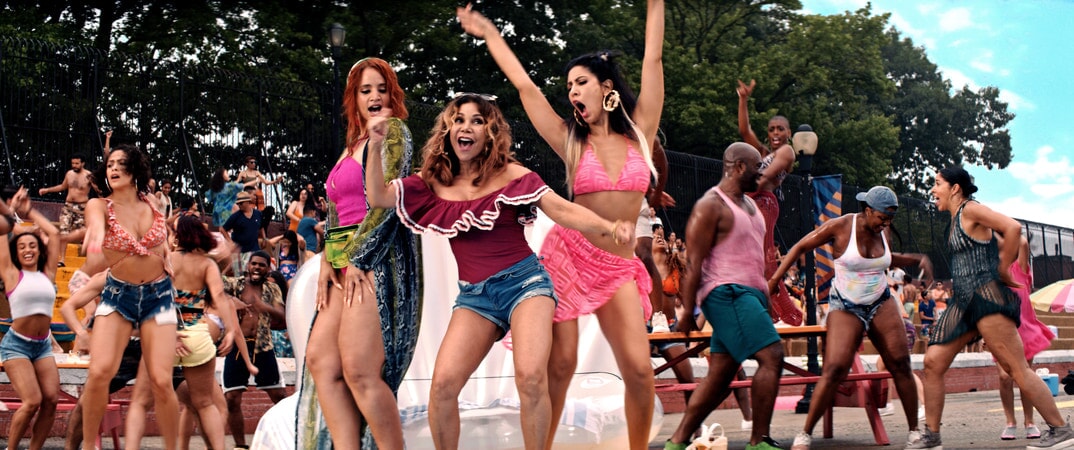
On my way to West End and the historic Curzon cinema, I had mixed feelings about going to see In the Heights. This musical film, a mastermind of Lin-Manuel Miranda’s, had a lot to live up to after his hugely successful Hamilton. Set in the predominately black and Latino neighbourhood of Washington Heights in Manhattan’s Upper West Side, this is presented as a seemingly blissful area with synchronised fire hydrants, impromptu barbecues and celebrations on the street. However exhausting this all is, most scenes are fresh and exuberant: not to mention colourful. Against the background of a New York heatwave and cusp of a Fourth of July blackout, all kinds of goings-on are featured in this small community. The writer himself weaves in and out of the story, playing an ice-cream seller with a cart.
An Air of Authenticity
Stray Dogs
by Matt Wixey
Anarchy Division at Bread and Roses Theatre, Clapham until 30th June
Review by Denis Valentine
Stray Dogs is a timely and interesting snapshot into parts of the lives and mind-sets of two people working within the Police Force and offers a certain perspective at a time where police relations and practices are rife in the public consciousness. The fact that it is written by an ex-officer adds an immediate air of authenticity to what’s about to be witnessed and keeps the lingering question of just how much is this based on real events and personal testimony throughout.
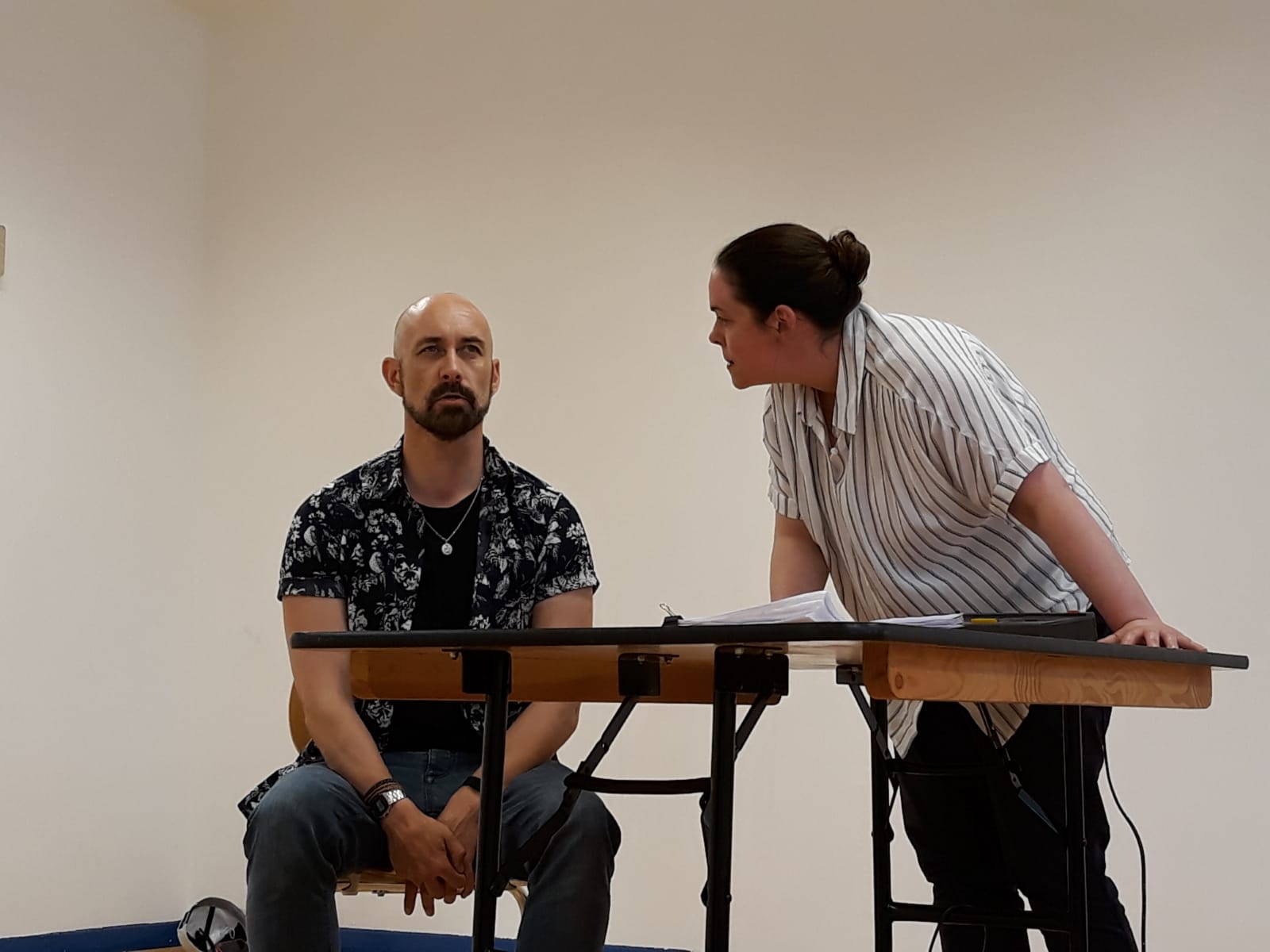
Firstly the two actors – Catherine Adams as Mason and Bridges played by Richard de Lisle – are both very strong in their roles and show great versatility when they transition from directly interviewing each other, to audience addresses, as well as moments which require them to briefly inhabit different characters and voices.
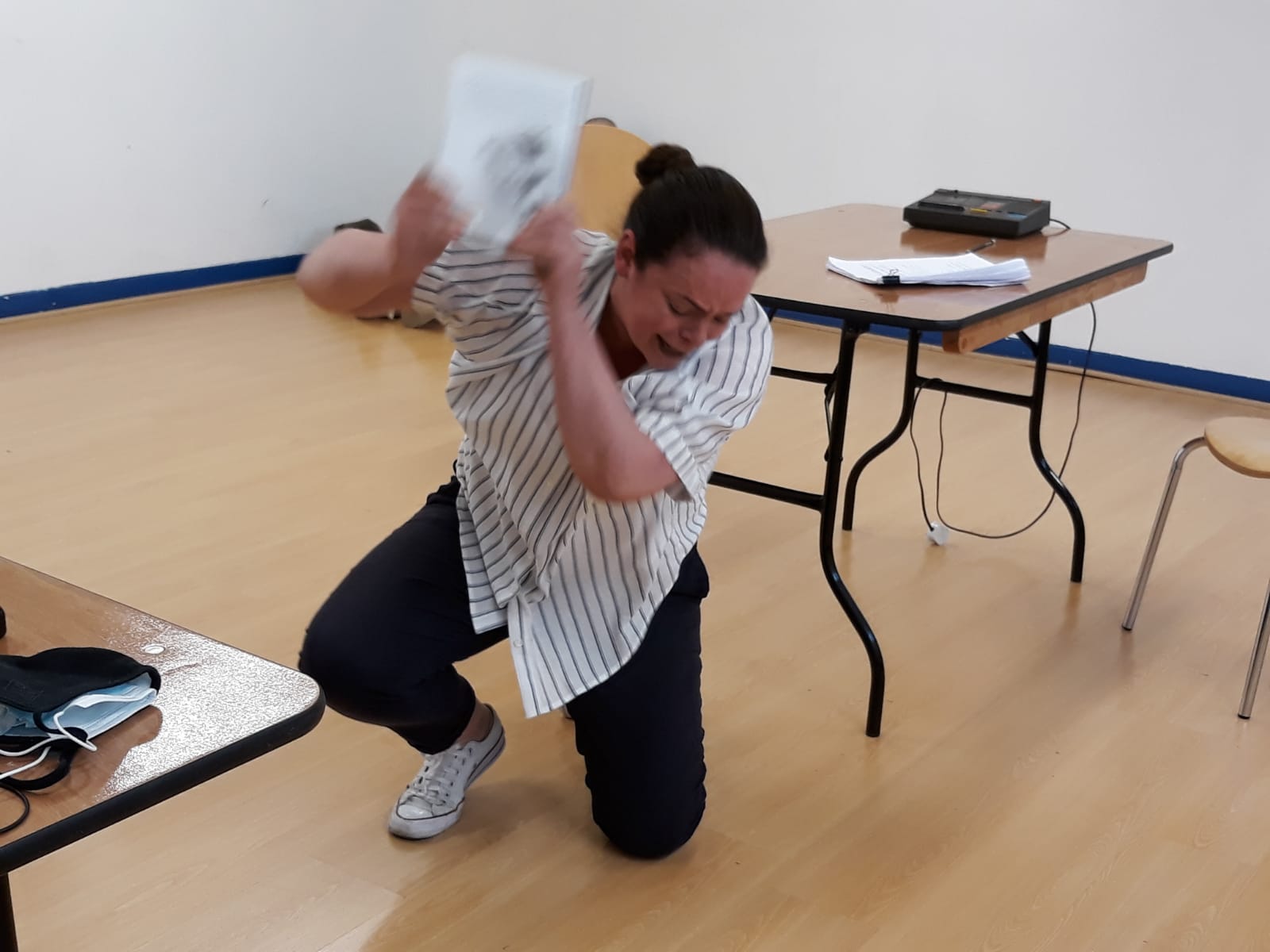
Adams switches well early on, from the hardened interviewer into a more informative persona, with whom the audience can relate more to and trust to gain some insight behind the ‘Officer’ (which as the play later suggests are just one and the same).
Read more…
 Mark Aspen