
Jesus Christ, Superstar
Cross Purposes
Jesus Christ, Superstar
music by Andrew Lloyd Webber, lyrics by Tim Rice
Regent’s Park Theatre Company at the New Wimbledon Theatre until 18th May and then on tour until 17th August
Review by David Stephens
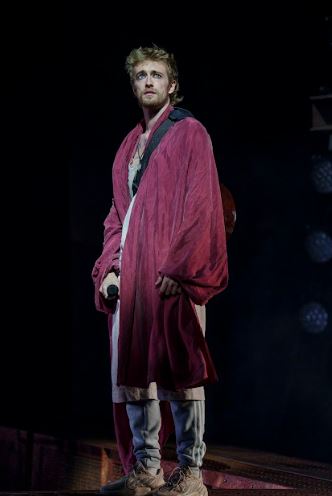
Regent’s Park Theatre Company’s production of Jesus Christ Superstar at New Wimbledon Theatre reimagines the iconic rock opera with a bold, concert-like aesthetic that both energises and challenges the traditional format of musical theatre. However, while this approach injects the show with vibrant energy and a unique visual style, it also introduces some limitations, particularly in the realms of emotional depth and character connection.
Director Timothy Sheader‘s vision transforms the stage into an industrial tableau resembling an abandoned construction site. Steel girders frame the action, creating multi-level platforms from which characters can observe and interact, and from where members of the live band are prominently visible throughout the performance. This setup not only underscores the rock opera’s raw, gritty feel but also blurs the lines between the performers and musicians, enhancing its concert-like atmosphere. The obvious presence of instruments and microphones, along with the strategic use of electrical plug-in leads, effectively emphasise the intentional detachment of characters from certain situations, again aligning with the rock theme. The electrical leads serve as a metaphor for disconnection, encapsulating moments of character isolation with a “I’ve said my piece, now I’m unplugging from this mess” vibe. This was particularly apparent when Pilate plugs in to the amp to deliver his solo and ends it by ripping the lead from his guitar and then dropping the mic. This analogy clearly replaces the traditional washing of hands.

From the onset, the production engages the audience with its high-octane energy and striking visuals. The choreography, particularly impressive given the constraints of New Wimbledon Theatre’s relatively small stage, is top rate, adding a dynamic layer to the performance. Although the ensemble occasionally lacks perfect synchronicity, their collective energy and precise movements significantly contribute to the overall pace and excitement of the show. There is not a moment when they are not entirely immersed in the action, with complete commitment to every beat.
However, the concert-like staging, while visually and acoustically impressive, tends to overshadow the narrative and character development at key times. The actors, despite their vocal prowess, often appear somewhat detached from their roles, prioritizing musical delivery over emotional engagement. This detachment is most evident in the portrayal of the central characters, hugely affecting the overall impact of the story.
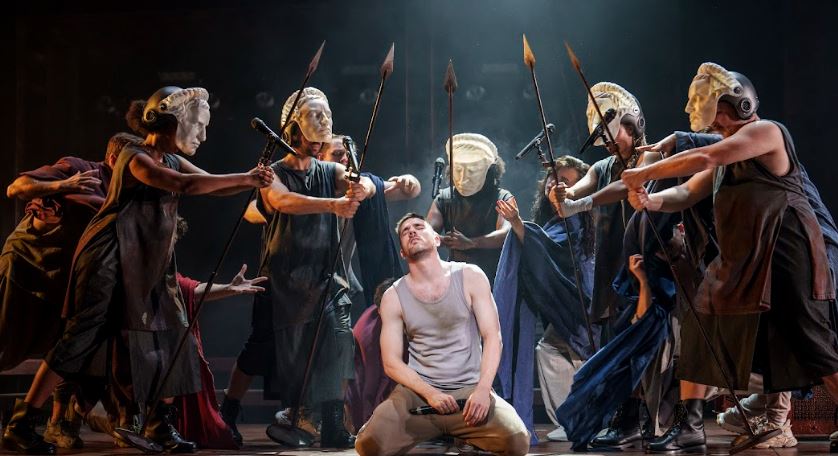
Ian McIntosh, as Jesus, exemplifies this dichotomy. His delivery of Gethsemane, whilst vocally flawless, lacked the necessary gravitas and emotional complexity, reducing the character to a rock star archetype rather than the requisite messianic figure grappling with profound existential crises. This dissonance undermined the emotional weight of his journey.

Shem Omar James also delivers a vocally stellar performance as Judas, capturing the character’s turmoil with intense passion. However, the critical relationship between Jesus and Judas fails to resonate fully. The chemistry between McIntosh and James is lacking, which diminishes the dramatic tension and the emotional stakes of their conflict.
Similarly, Hannah Richardson’s Mary Magdalene impresses vocally, especially in her renditions of I Don’t Know How to Love Him and Could We Start Again Please? Nevertheless, her portrayal does not convincingly convey Mary’s deep love and torment, leaving her character’s emotional arc feeling somewhat superficial.
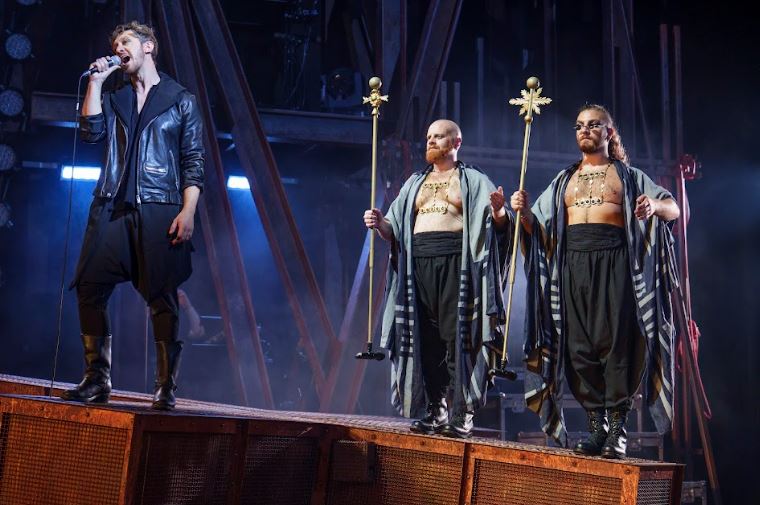
The supporting cast shines with more believable performances, but this is likely because their characters don’t have the same need to display their emotional side and, therefore, are better suited to this production’s over-all vibe. Jad Habchi as Caiaphas and Matt Bateman as Annas are particularly notable, delivering compelling and sinister portrayals of the villainous priests. Their interactions add a palpable sense of menace and gravitas to the production. Timo Tatzber’s performance of Herod’s Song is also a standout moment, blending humour and menace in a show-stopping number that energizes the audience.
The chorus plays an integral role in maintaining the show’s electrified pace. Their strong vocals and tight choreography add layers of energy and texture to the performance, ensuring that the momentum never wanes. Despite minor issues with synchronicity, their overall contribution is hugely enjoyable.
In short, this new touring version of Regent’s Park Theatre Company’s Jesus Christ Superstar offers an evening of thrilling musical entertainment, but with a few caveats. The production excels in its musical and choreographic execution, delivering a visually and acoustically engaging experience that captures the essence of a rock concert. However, the actors’ detachment, resulting from this staging, produces a lack of emotional resonance and lacks the narrative depth of the story. The net result was a production that felt more like a ‘special anniversary concert’, version rather than the piece itself.
As this fledgling cast continues to grow into their roles, however, there is potential for greater emotional connection and narrative depth to develop, potentially transforming this production from a dazzling rock spectacle into the more profound theatrical experience that was witnessed in its earlier incarnation at The Barbican and Regent’s Park. For now, it remains an electrifying, albeit somewhat superficial, shadow of its former self.
David Stephens, May 2024
Photography by Paul Coltas

 Mark Aspen