
Le Nozze di Figaro
Figaro up Close and Personal
Le Nozze di Figaro
by Wolfgang Amadeus Mozart, libretto by Lorenzo da Ponte
Ensemble OrQuesta, Grimeborn Festival at the Arcola Theatre until 31st August
Review by Patrick Shorrock
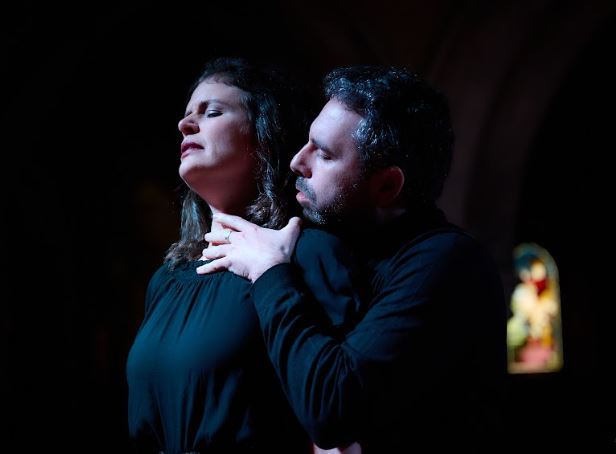
This performance by Ensemble OrQuesta contains much to admire, but doesn’t quite come to life. In many ways, the Arcola, where the orchestra isn’t acting as a barrier between audience and singers, is an ideal venue for a piece as dramatic as this, but the impact here is muted in a number of ways.
Hollie-Anne Clark acted the role of the Countess but wasn’t well enough to sing it. Clark did so with real involvement despite her sickness, but it was a shame that she was absent from the stage during Porgi Amor and Dove Sono. Usual practice is for the acting performer in these situations to move their lips which makes it much more convincing from the audience’s perspective, even if the timing won’t always be in synch with the singing performer and it’s not easy to do this for solo arias. It was disappointing that it was decided not to take that approach here, but the way everyone worked as well as they did in this difficult situation was impressive. Elinor Rolfe Johnson (Anthony’s daughter) sang radiantly and sumptuously from behind the piano used for the recitatives and was a real joy to listen to.
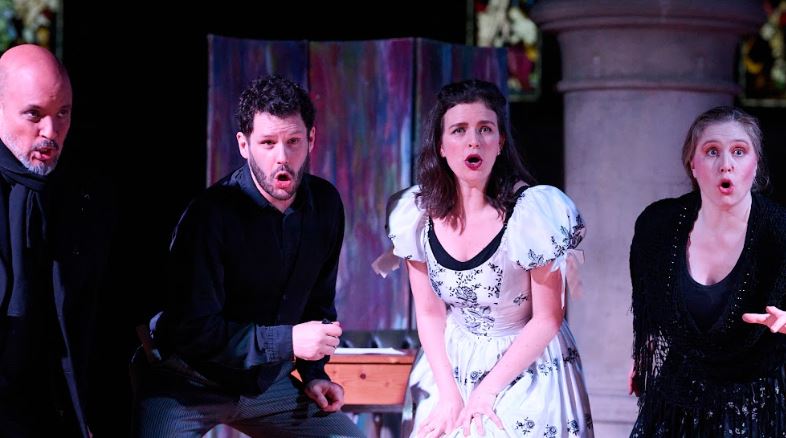
Marcio da Silva’s modern day production makes ingenious use of a few bits of furniture – all that is needed – but is very much focussed on the centre seats, which means that, for long stretches of the action, the side seats (at least half the theatre’s total) have a back view of the singers. Da Silva takes the action seriously and often has a refreshingly novel approach, but he is a bit of a killjoy. His Coronation of Poppea at Grimeborn ended with Nero murdering Poppea. Da Silva has history on his side here, for that was what happened a few years later when Nero kicked his pregnant wife in the stomach. Here, da Silva has the Countess exchanging a passionate kiss with Cherubino at the end of the finale. Again, he has support for this, as the Countess does bear Cherubino’s child in La Mere Coupable, Beaumarchais’ sequel to the play on which this opera is based. It does, however, make for a rather depressing conclusion to a production that delivers on intensity, but never really makes the audience laugh or share the characters’ emotions as opposed to observing them.
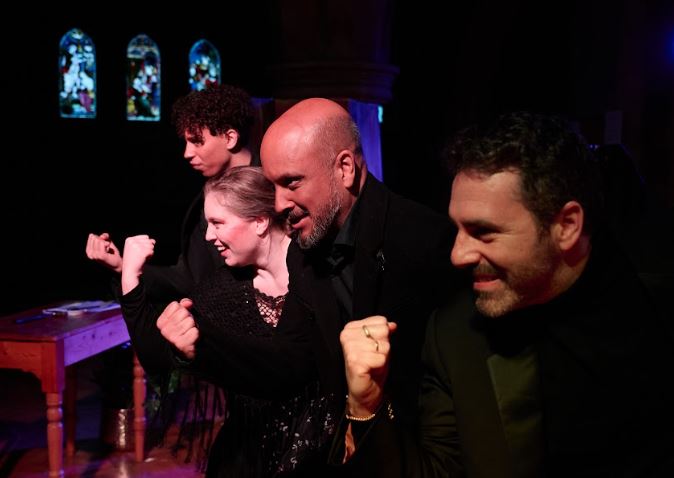
Understandably, Ensemble OrQuesta dispense with a chorus, but this requires Marcellina to be on stage singing part of the ensemble when the Count says he can’t find her. A veil or costume change would have made all the difference. This must have been very confusing for those unfamiliar with the plot. And (my final niggle) the surtitles were not very effective with some controversial rather than effective translation and several misprints, as well as not always being timely.
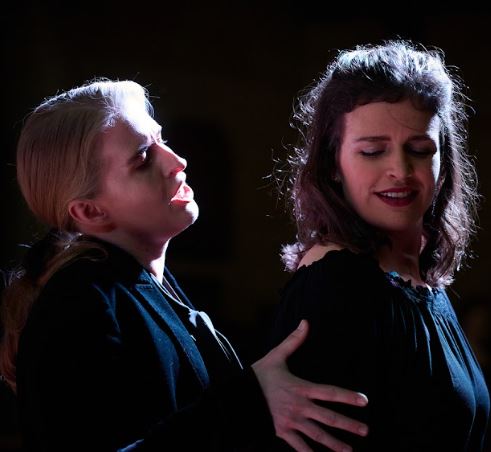
Da Silva, as well as directing, sings Figaro to vigorous and energetic effect. Helen May is a winning Susanna with a voice that has edge as well as sweetness. Oshri Segev’s strongly voiced Count is a formidable silver fox and Flavio Lauria an effective Bartolo. The Hastings Philharmonic Orchestra Ensemble – no brass, but clarinets with everything – under Kieran Staub accompany well enough, but with slightly thin string tone and occasional loss of momentum during some of the slower arias. We are given modern instruments with a piano instead of harpsichord but pleasing, but not overdone, decorations in the da capos. The cumulative tension during the big ensembles in Acts Two and Three and the climaxes of the arias never loses its grip. Anna-Luise Wagner is a well sung but not particularly winning Cherubino and Rosemary Carlton-Willis’s Marcellina doesn’t really deserve her Act Four aria, which as usual holds up the action.
Patrick Shorrock, August 2024
Photography by Peter Mould


 Mark Aspen