
Playhouse Creatures
Tarnished Stardust
Playhouse Creatures
by April De Angelis
OT Productions at the Orange Tree Theatre, Richmond until 12thApril and then on tour until 3rd May
Review by Patrick Shorrock
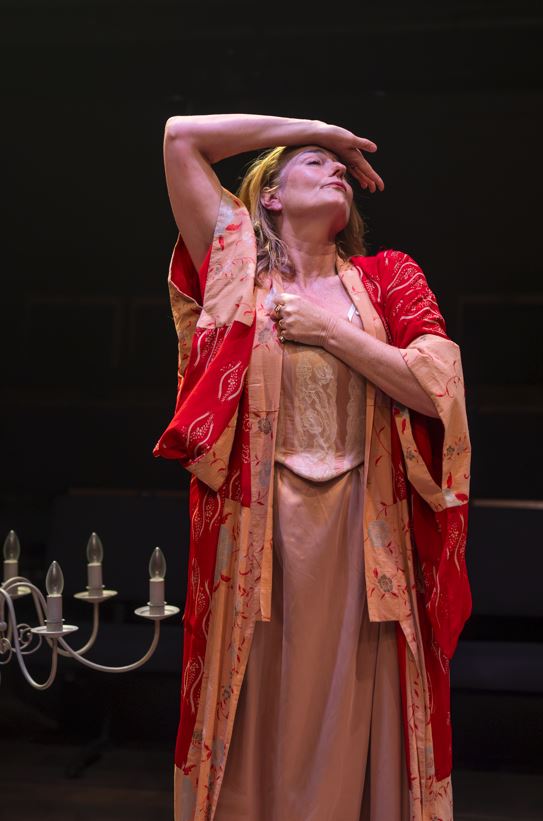
Plays and musicals about life in the theatre – from Trelawny of the Wells to Follies – often end up as celebrations in spite of themselves
Even if they feature the hardship, exploitation, and insecurity that loom so large in an actor’s life, we are usually given a feel-good ending that suggests that the required sacrifice is somehow worth it: the intensity of live performance in front of an audience is presented as giving meaning to even the most painful life. Even when dramatists take a few well aimed shots at the delusion and pretention that thrive in a theatrical environment, they generally succumb by the end to the lure of sentimentality and stardust.
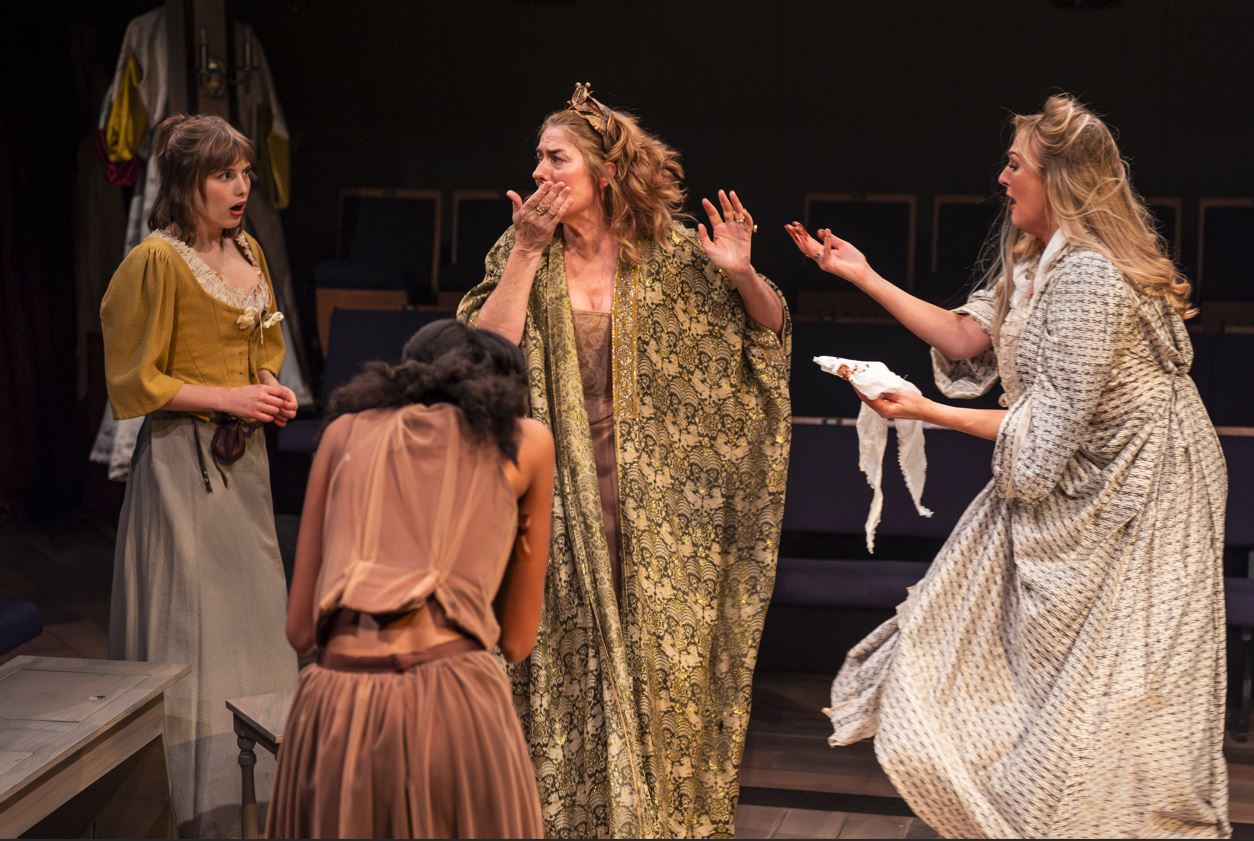
April De Angelis is having none of this, and provides a brutally disenchanted view of life in the theatre. It is set during a time when optimism might have been in order, as actresses appeared on the English stage for the first time – in place of boys and men in female roles – as the theatres reopened after being suppressed by Oliver Cromwell.
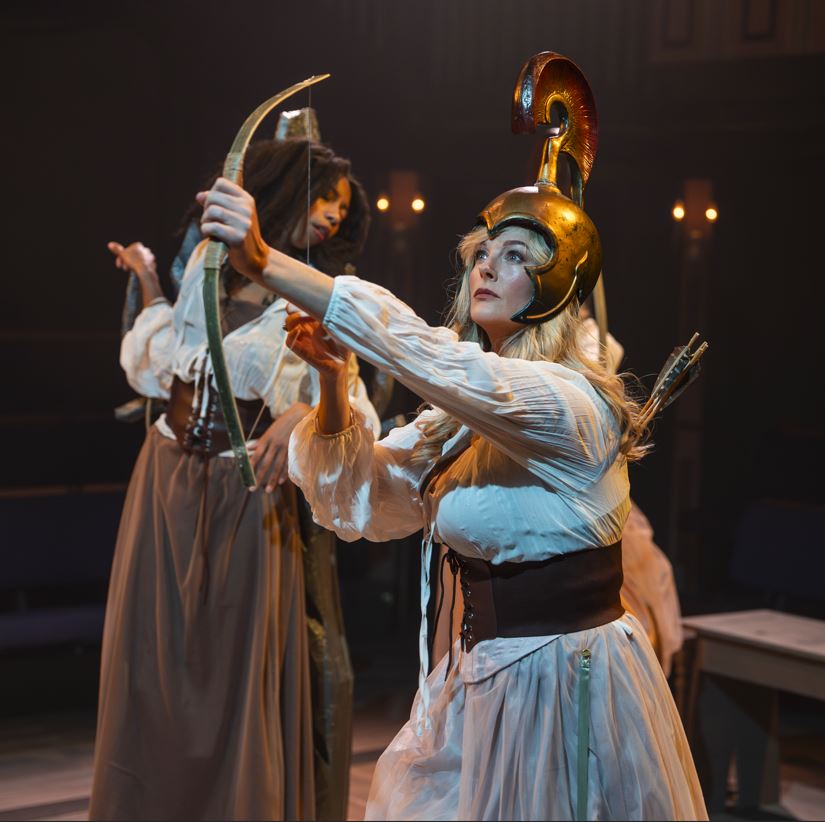
The play shows us the experiences of five theatrical women whose hopes of economic security – let alone independence or autonomy – are gradually extinguished. Their experiences are worse than those faced by today’s women in the theatrical profession but still seem horribly familiar. There are plenty of sexual predators around, even though none appear on stage. The domination of the patriarchy is somehow all the more evident by its physical absence.
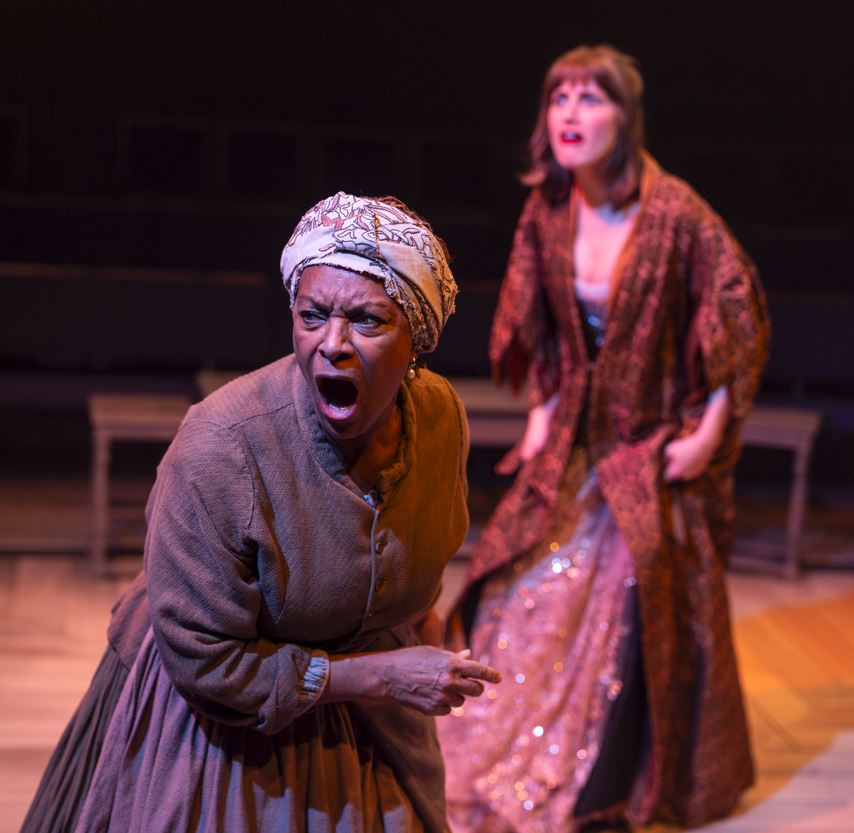
Mrs Betterton ( Anna Chancellor) is married to the owner of the theatre and Queen Bee of the dressing room, bagging all the plum parts,is lavish with sharing her expertise. But she is getting old and her days in the spotlight are numbered (an experience familiar to all women over thirty in broadcasting today). Doll Common (Doña Croll) is the general factotum who gets all the bad jobs and keeps the theatre running. She remembers when the theatre was a bearpit run by her father and makes some (rather heavy handed) analogies between the actresses, that is the playhouse creatures of the title, and the bears who danced and killed one another for the audience’s entertainment.
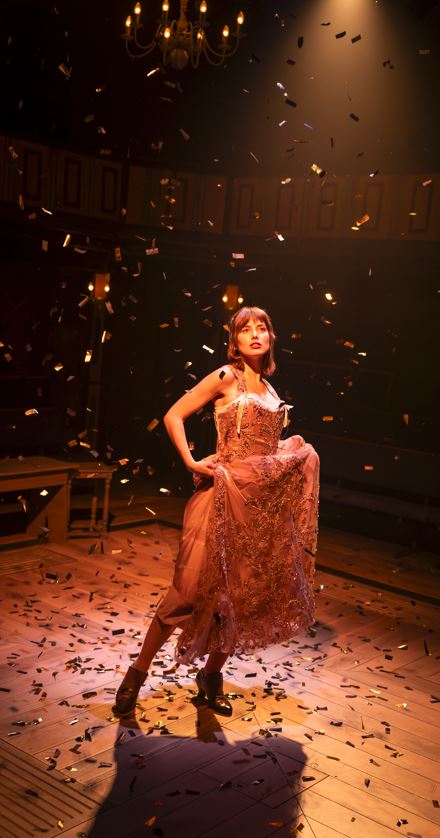
Nell Gwyn – the orange seller who became Charles II’s mistress – is effervescently played by Zoe Brough. She manipulates her way into the theatrical company and – to start with – is better at survival than performing, but there is a steely inner core behind the bubbles and a ruthless ability to make the most of her opportunities. Her ability to rise to the top of this corrupt and fiercely competitive society – now a matter of general knowledge – seems anything but a foregone conclusion in an era when being a diva wasn’t really an option. Mrs Farley (a troublingly vulnerable Nicole Sawyer) is an orphaned preacher’s daughter who is faced with a choice between joining the theatre – condemned as immoral by her late father – or going on the streets, while the feisty Mrs Marshall (Katherine Kingsley) faces retribution for daring to take on the hecklers.

Overall, it’s a gripping but rather downbeat experience, although there are some laughs on the way, especially in the first half. I enjoyed the fun and games when they rehearse Cleopatra’s suicide by poisonous asp, which requires manipulating a fake snake that has to be co-ordinated with a heaving bosom. The second half gets progressively bleaker, including an attempted abortion that is less graphic than the now infamous one in The Years. It’s also less harrowing than the grim depiction of the later desperation that comes with extreme poverty.
The performers make for a superb ensemble in Michael Oakley’s effective and unshowy production, while Fotini Dimou’s designs make much out of little. Another impressive achievement from the Orange Tree.
Patrick Shorrock, March 2025
Photography by Ellie Kurttz

 Mark Aspen
Trackbacks & Pingbacks