
Mozart’s Women
Fabulous, Fearless, in Full Voice
Mozart’s Women – A Musical Journey
English National Opera and Factory Films at the London Coliseum, 12th September
Review by Helen Astrid

It’s not often you get to hear an entire evening of Mozart’s female divas. This occasion at ENO, Mozart’s Women – A Musical Journey, proved to be just the ticket for a binge of 18th Century arias, duets and small ensembles to be seen later this year on Sky Arts and Freeview. (This will be presented alongside the previously announced Sky Original limited series Amadeus.)
On stage, a carefully curated ensemble of rising young singers performed, accompanied by the ENO orchestra under the assured baton of Clelia Cafiero, Principal Guest Conductor at the Opéra de Tours. In a bold staging choice by Artistic Director Annilese Miskimmon, the musicians were assembled on stage rather than in the pit, framed by red velvet drapery and resplendent chandeliers that transformed the Coliseum into a glittering salon.
Not an empty seat in the house was spotted. This glamorous evening, hosted by Desert Island Discs presenter Lauren Laverne was enchanting from the outset. Not only did she provide narrative interludes introducing each musical number, but she guided the audience through Mozart’s life and his relationships with his women.
It’s impossible to avoid the fact that Mozart loved women; he was fascinated, intrigued and betrayed by them so it’s no wonder the real women in his life were depicted on stage. There were clearly two kinds of women – those who were real and those who were imaginary, the latter no doubt inspired by mothers, sisters and lovers.

Let’s not forget, Mozart’s ascent to stardom was not only due to his father’s insistent showcasing of the talents of his children, including Mozart’s sister Maria Anna, known as Nannerl, but it was thanks to their devoted mother Anna Maria. She was the absolute driving force behind the success of his career, constantly nurturing her son and making significant personal sacrifices resulting in her untimely death in Paris at the age of 58 in a cold and dank hotel room which she shared with her son. Travelling long distances at that time by coach was hard, dangerous, and uncommon for women — especially mothers.
Anna Maria was remarkable. A woman with no formal education yet she married well to Leopold Mozart, a court violinist and raised two prodigiously gifted children and for a short while moved in the highest cultural circles in Europe.
Whether intentional or not, the ENO evening reflected themes from British conductor Jane Glover’s book Mozart’s Women (2005), a work widely regarded as a landmark in Mozart studies.
Drifting through the performance in period costume, a silent young Mozart served as a gentle reminder that the prodigy composed his first opera Bastien und Bastienne, at the astonishing age of twelve — a work briefly quoted in the opening moments but not entirely of his most memorable tunes as most of it is in C major.
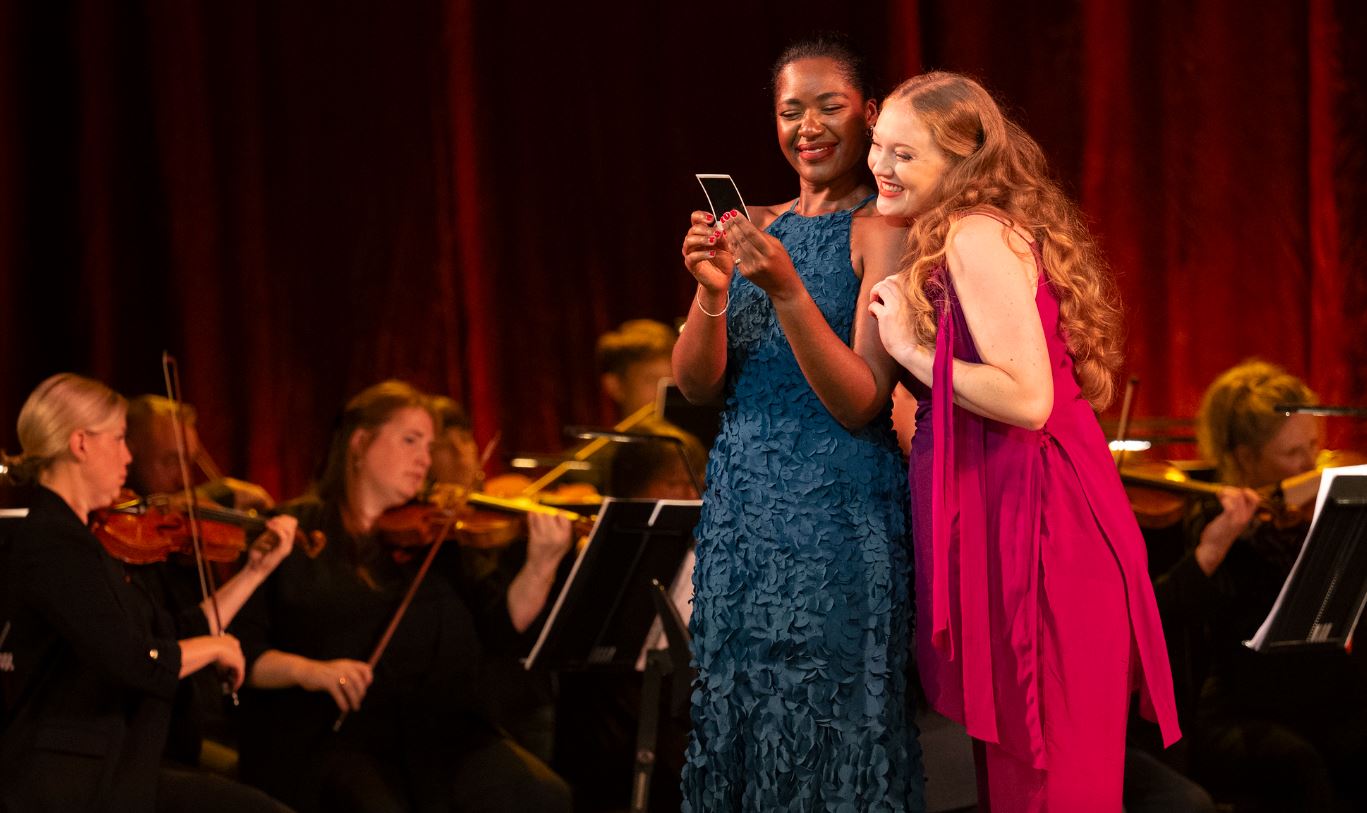
Our first real number was the quartet from Act Three of Idomeneo, Andro ramingo e solo where all soloists were blending beautifully. One noticed particularly an excellent voice from Bethany Horak-Hallett as Idamante, making her ENO debut, a mezzo who recently performed Cherubino and Dorabella for Garsington Opera and certainly one to watch out for. Our only male singer was New Zealand-Tongean tenor Filipe Manu, a graduate from the Jette Parker Young Artist Programme at the Royal Ballet and Opera House.
Excerpts from the three Da Ponte operas are obligatory and finely represented on this occasion. Starting with the enchanting duet Sull’aria from Act Three of Le Nozze di Figaro was Ailish Tynan who recently gave a hilariously outstanding performance as Berta in Il barbiere di Siviglia at Glyndebourne. According to Jane Glover, Susanna’s character is the ‘perfect woman’, combining intelligence, loyalty, wit, emotional depth, and moral strength.
It’s hardly surprising that Emperor Joseph II of Austria initially banned the performance of Pierre Beaumarchais’ play La Folle Journée, ou Le Mariage de Figaro upon which the opera is based, as he believed it was politically dangerous and socially subversive, challenging the idea that social status equated to superiority, which was very provocative in the rigid class structure of 18th-Century Europe. So, how did Mozart sneak it past the censors? His controversial librettist Da Ponte removed or softened the political content and Figaro’s most inflammatory monologue (about nobles being undeserving of their power) was cut. The opera’s focus shifted to the romantic entanglements and comic intrigue of the characters, not their class conflict.
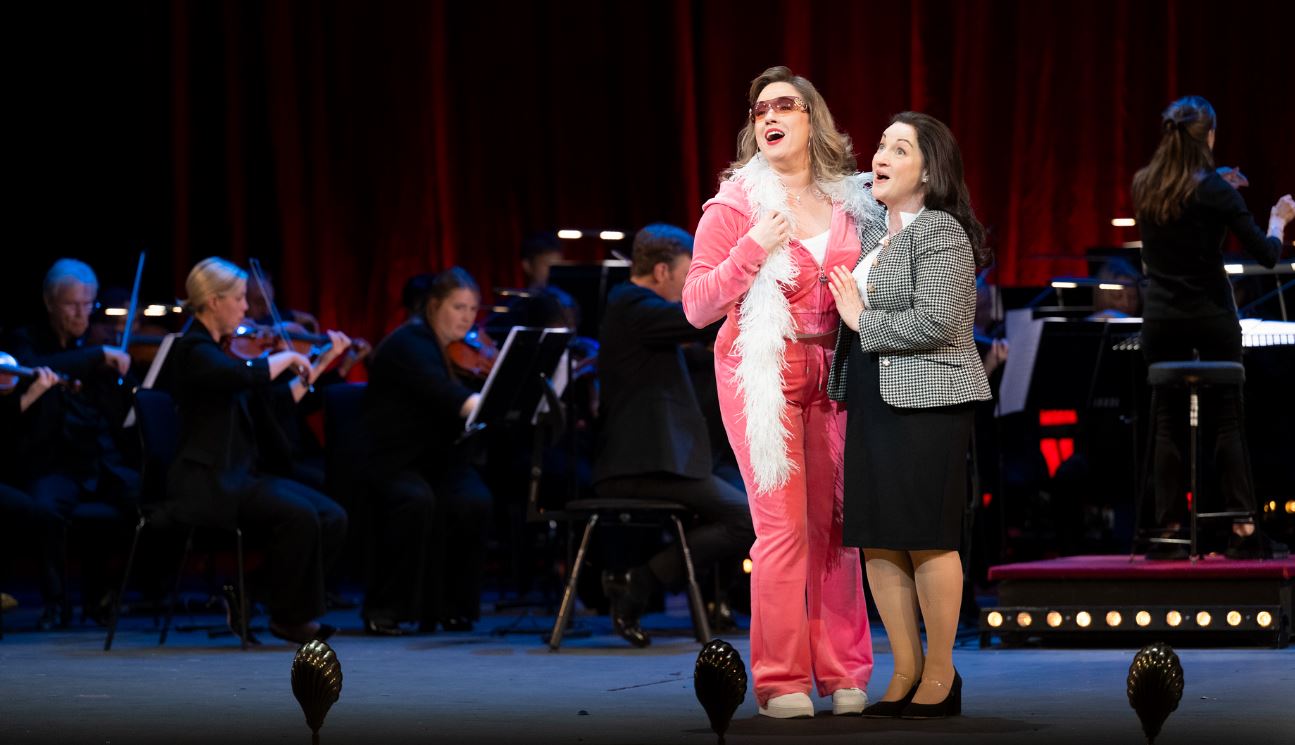
One of the most influential women in Mozart’s life was his beloved wife Constanze Weber. Not only was she a fine singer but a perfect companion and advisor, always ready with a helpful observation. Of Fiordiligi and Dorabella, the sisters in Così fan tutte whose fidelity is tested by their suitors, she remarks that they undergo a passage from ‘carefree society girls to distraught neurotics’. The embracing sisterly duet Ah guarda sorella sung by Nardus Williams and Bethany Horak-Hallett was exceptional, particularly from Dorabella.
South-African soprano Golda Schultz’s precise execution of the short Dove Sono, sung by the Contessa from the opening of Act Two in Le Nozze di Figaro was particularly poignant with some mellifluous ornamentation. As Schultz reminds us on her album Mozart! You Drive Me Crazy! his female characters endure the toughest trials, but they also display great strength.
Schultz’s rendition of Donna Elvira’s Mi tradi from Don Giovanni was delivered with aplomb, and she rightly followed Mozart’s stage direction to ‘exit’ at the end. It’s not uncommon for some renowned singers to linger on stage at this moment to bask in the applause — but they shall remain nameless.
It goes without saying that the tranquil trio from Così fan tutte was an indispensable item.
Mozart always manages humour effortlessly; Ich bin die erste Sängerin a parody of diva behaviour and operatic egos from Der Schauspieldirektor was evidently amusing, delivered with brilliance by Rainelle Krause as Madame Herz, Ailish Tynan as Madamoiselle Silberklang and Filipe Manu as Monsieur Vogelsang. This opera though is rarely featured in the opera house repertoires.
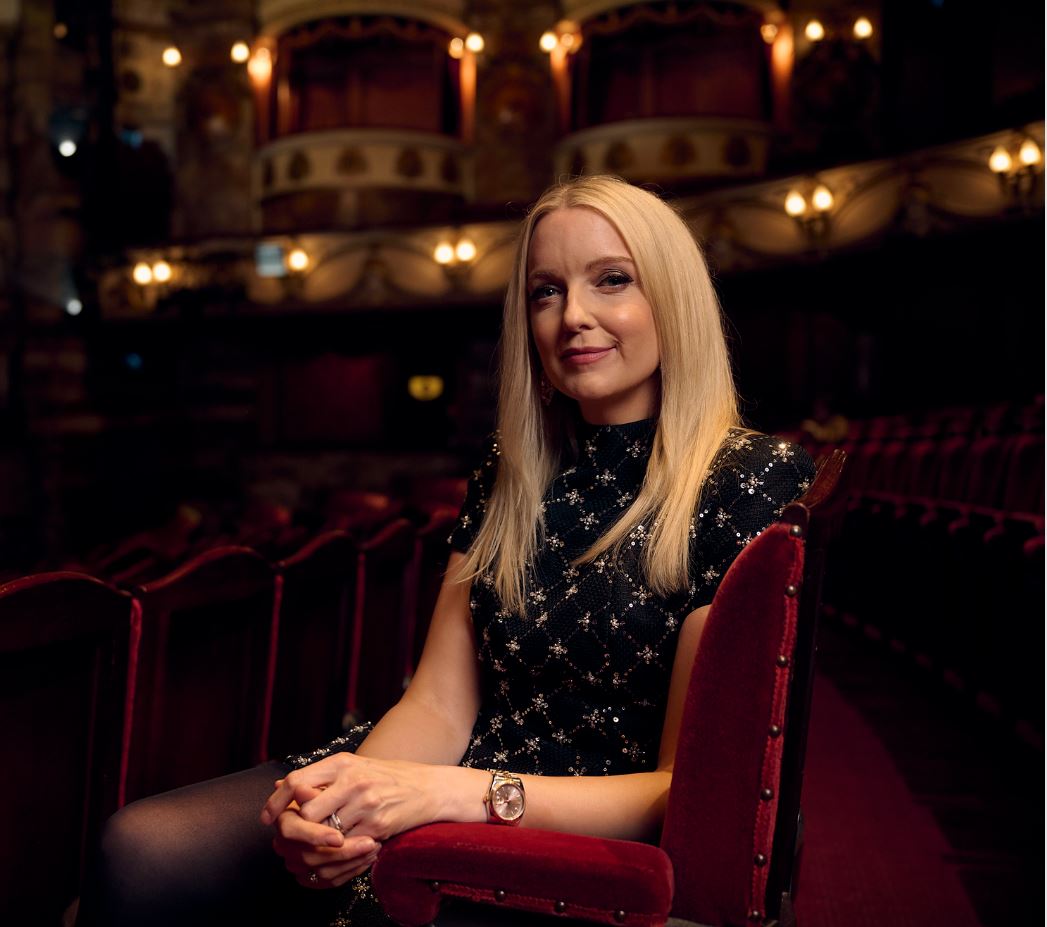
Die Zauberflöte, Mozart’s last opera, was deemed “absolute perfection” by artist Chagall and was the only Mozart opera that Wagner truly cared for. Like triple-cooked truffle chips on today’s restaurant menus, Der Hölle Rache had to be included — and it was indeed a highlight, sung by Rainelle Krause with spot-on top F’s soaring effortlessly, in a role she has already sung for ENO in 2024. Mozart wrote this fiendish role for his sister-in-law Josepha Hofer which she sang 99 times after the premiere even though he wasn’t hugely keen on her voice. These days, a Königen der Nacht can craft an entire career out of singing this role given that the opera is consistently ranked among the top five most popular operas worldwide in terms of performance frequency.
The grand finale brought all six singers together in Nehmt meinen Dank (Accept my Thanks) K.383, a concert aria written as a musical farewell for Mozart’s sister-in-law, soprano Aloysia Weber Lange in 1782, when she was leaving a Vienna theatre (known for German singspiels like Die Zauberflöte) to join one specialising in Italian comic opera. Surprisingly, it’s set to an anonymous text but nevertheless was sung graciously and with true reflection and charm.
Mozart may have written for the stage, but it is his women who continue to command it. This elegant evening proved their brilliance, both musically and emotionally.
Helen Astrid, September 2025
Photography by Chris Lobina, (c) Sky Arts

 Mark Aspen
thank you Helen for this most interesting review. It must have been lovely to be there. Suzanne