
Dead Man Walking
Opera That Cuts to the Bone
Dead Man Walking
by Jake Heggie, libretto by Terence McNally
English National Opera at the London Coliseum until 18th November
Review by Helen Astrid
Rarely has a performance moved me so deeply that I left the opera house utterly speechless. Dead Man Walking at English National Opera, in Annilese Miskimmon’s gripping new production, was exceptional from start to finish. To say I was mesmerised for nearly three hours feels like an understatement. I was astonished to learn this landmark work is now celebrating its 25th anniversary.
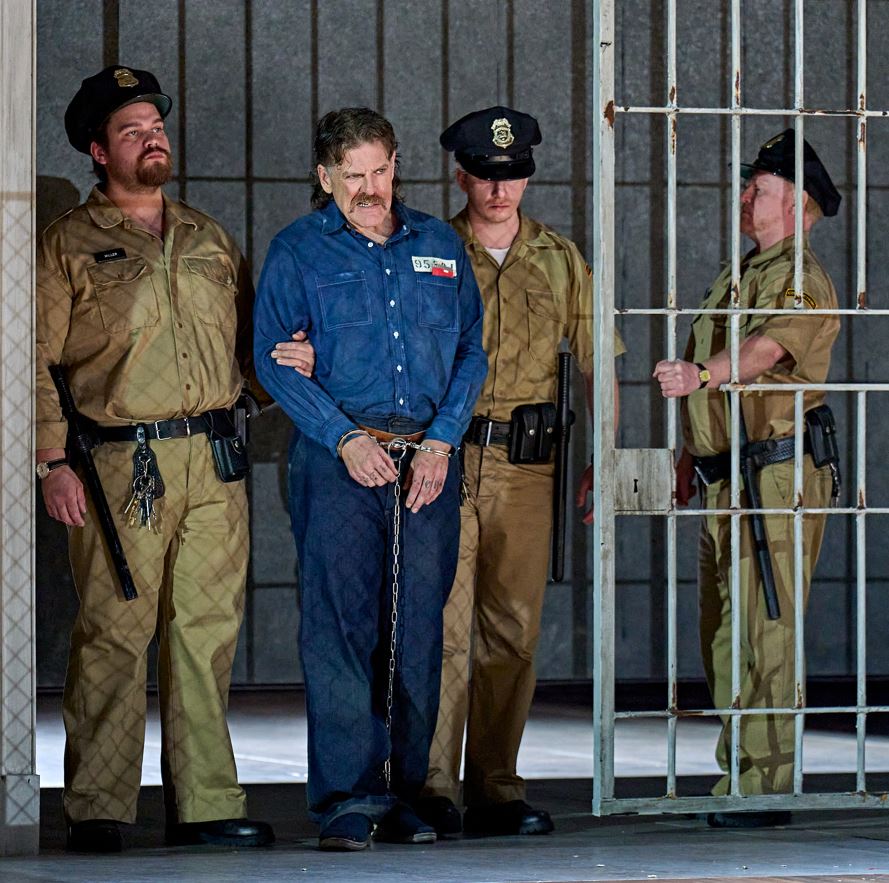
With music by Jake Heggie and a libretto by Terence McNally, the opera cuts straight to the heart, succeeding where so many contemporary pieces struggle; it tells a clear, compelling story and moves its audience profoundly. It is impossible to leave unscathed.
Based on Sister Helen Prejean’s memoir, it tells the true story of a Louisiana nun who becomes the spiritual adviser — and, ultimately, the moral lifeline — to Joseph De Rocher, a convicted murderer on death row for the killing of two teenagers. The story is well known from the 1995 Oscar-winning film starring Susan Sarandon and Sean Penn, yet here it gains an immediacy that feels almost overwhelming.
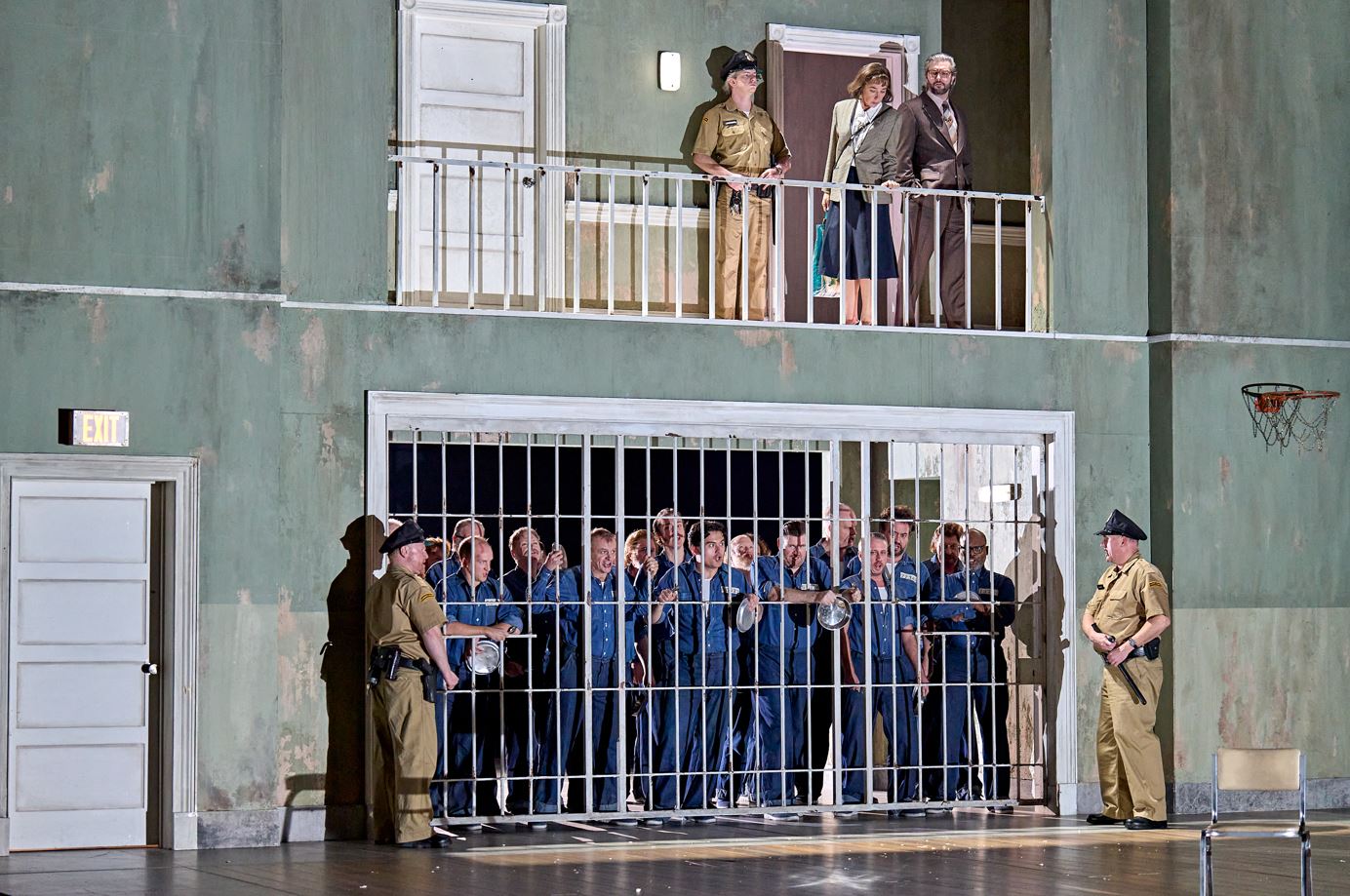
Heggie’s score blends musical worlds with extraordinary skill: gospel, jazz, lyric opera and even a touch of musical theatre, suggesting shades of Bernstein and Kurt Weill. It is accessible without ever being simplistic and refreshing in contrast to much post-1925 repertoire following Wozzeck, the first major atonal opera.
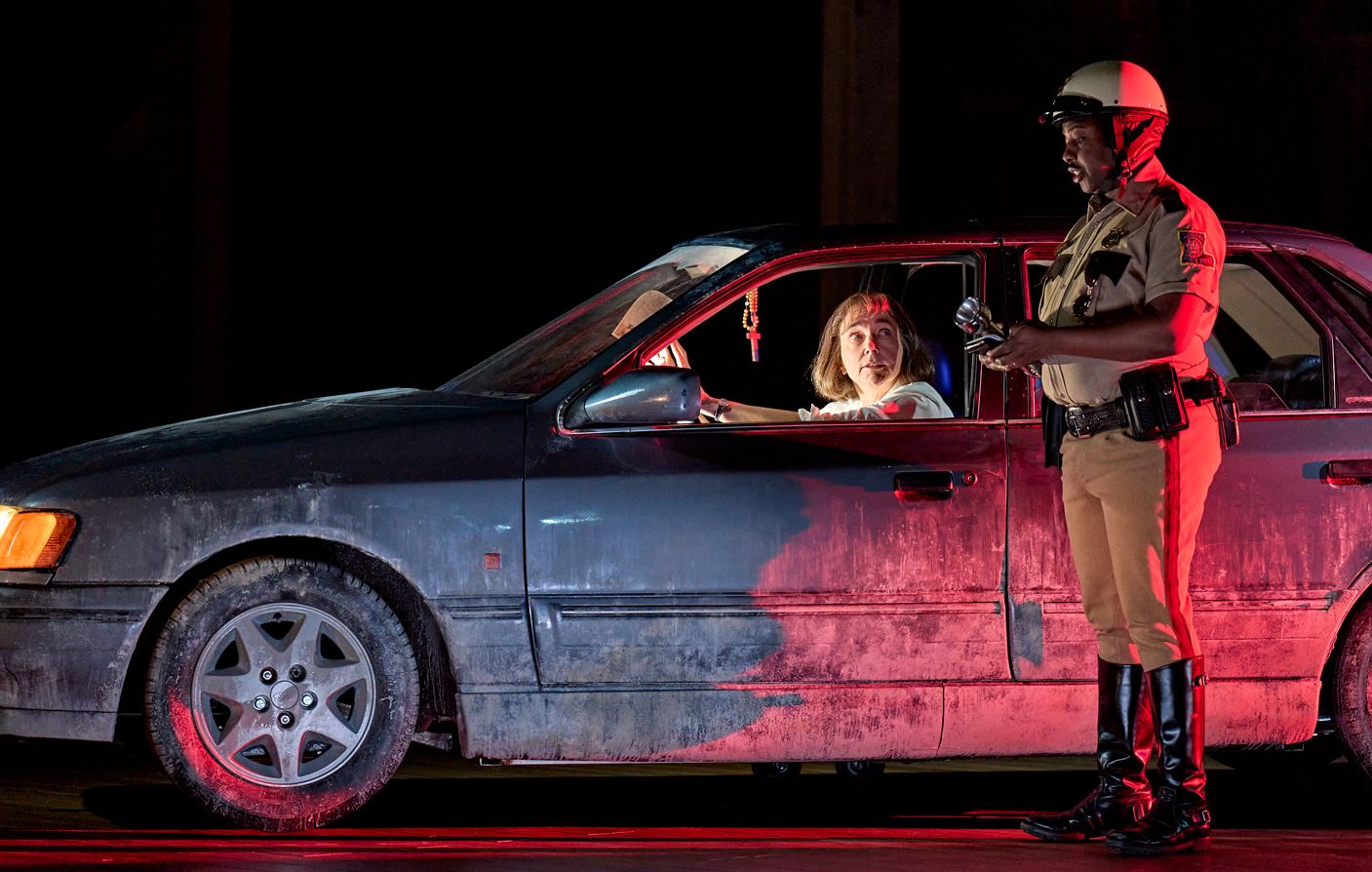
The pacing of the drama is masterful. You become completely absorbed, as though witnessing the unfolding of real events. What emerges is raw, unsettling and profoundly humane.
Sister Helen’s own words echo through the opera: “He is worth more than the worst thing he ever did.” Whatever one’s views on the death penalty, this story forces us to confront our own ideas about humanity, forgiveness and redemption.
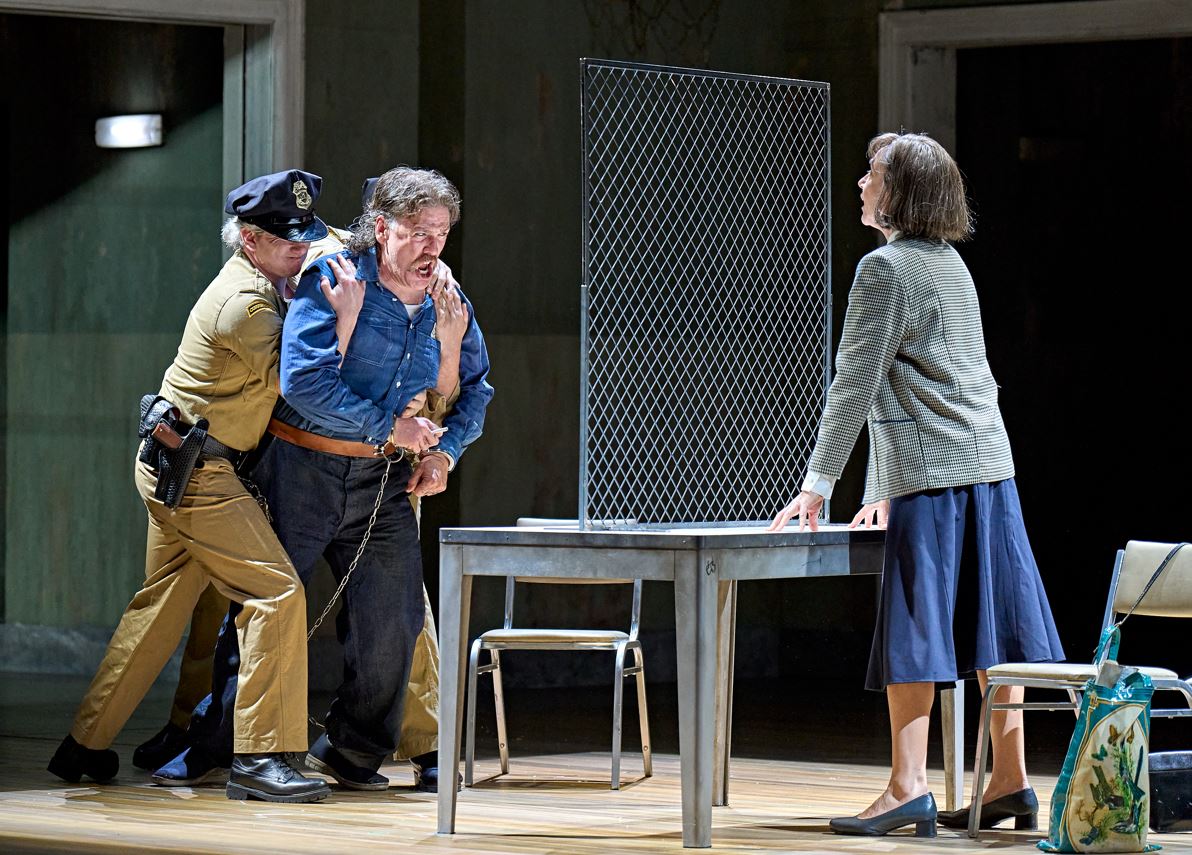
Michael Mayes was extraordinary as Joseph De Rocher — a role he has rightly made his own. His chemistry with the perfectly cast Christine Rice MBE as Sister Helen was tender, truthful and quietly moving. In the climactic scenes before the execution, Sister Helen’s repeated plea “The truth will set you free” becomes a haunting motif woven into her vocal line, urging him towards honesty and peace.
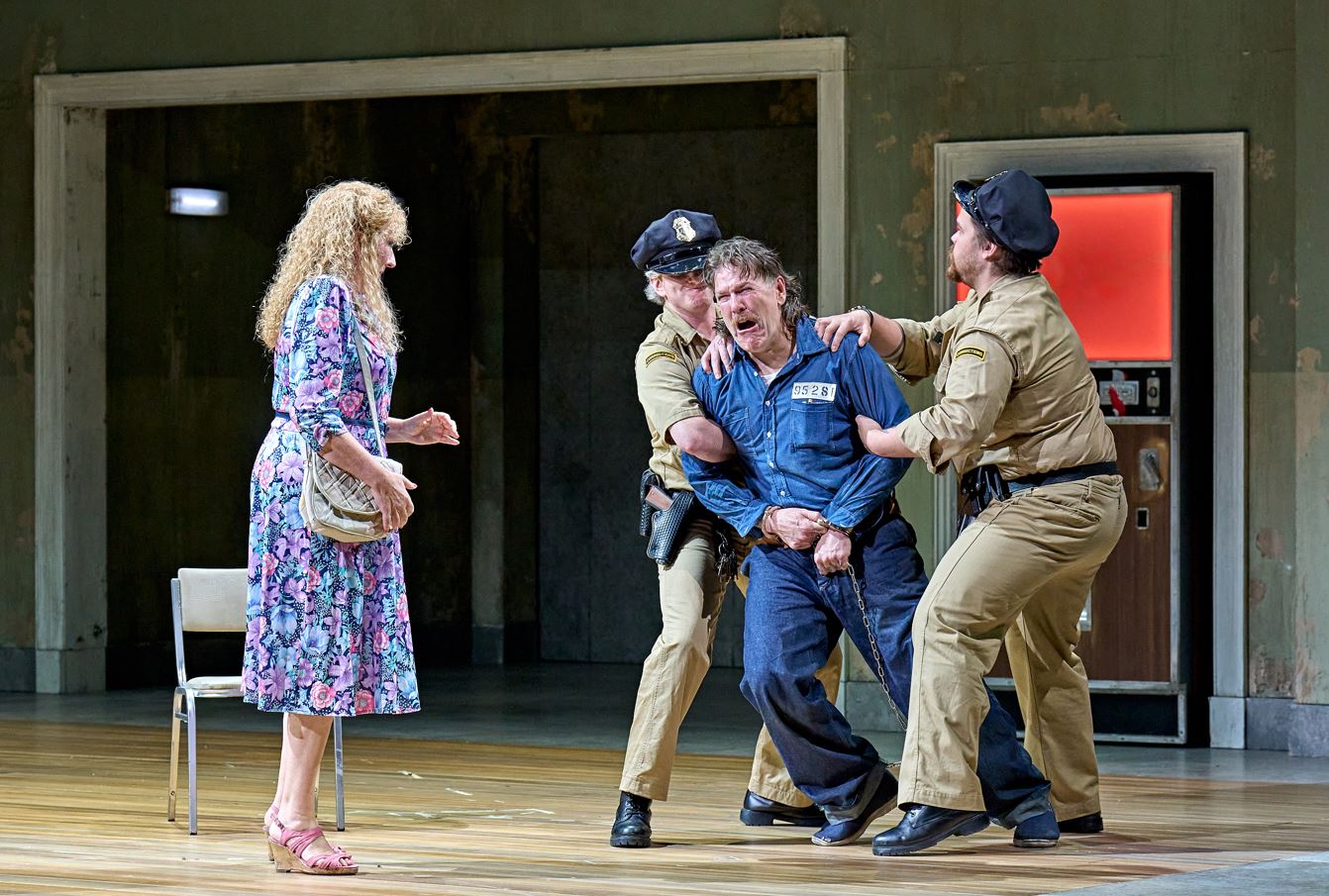
One of the opera’s most devastating moments comes when De Rocher sings “Everything is gonna be alright” in superb falsetto in Act II, Scenes 6/7. Facing his imminent death, he breaks down and finally confesses. The mixture of resignation and longing for solace is almost unbearable to witness.
When he ultimately admits the truth and expresses the hope that his death may bring peace to the victims’ families, he turns to Sister Helen and tells her he loves her. Her gentle reply, “I love you too” left the entire auditorium in tears.
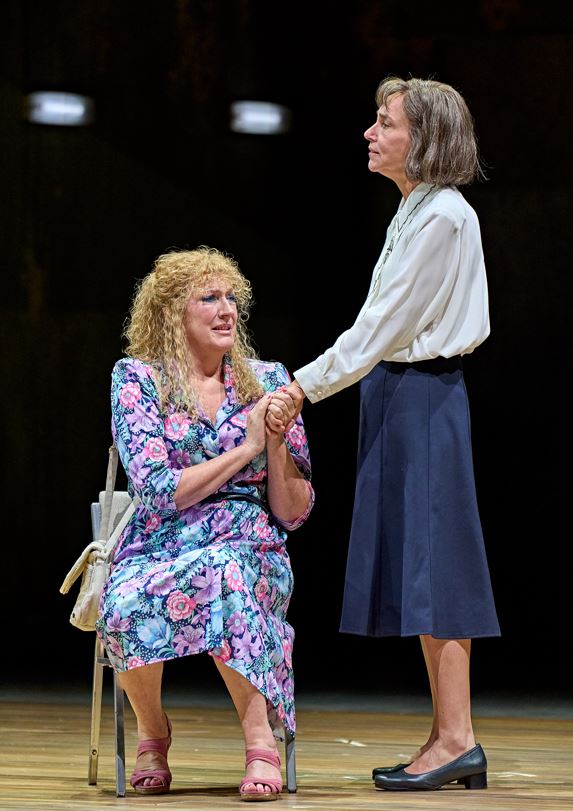
The supporting cast was equally strong. Dame Sarah Connolly brought heartbreaking depth to the role of Joseph’s mother, a woman trapped by circumstance and denial. As Sister Rose, Madeline Boreham, who only recently graduated from the Royal College of Music, showed remarkable promise and elegance. She is an emerging talent to watch out for. Jacques Imbrailo, former Royal Opera House Jette Parker Young Artist, gave a superb, deeply felt performance as Owen Hart, the father of one of the murdered teenagers.
In the pit, conductor Kerem Hasan, already a rising British Cypriot star, led with assurance and fine technical command.
It was an immense privilege to witness this production: a rare example of modern opera at its most powerful, humane and transformative.
Helen Astrid, November 2025
Photography by Manuel Harlan


Trackbacks & Pingbacks