
Black Comedy
Through a Mirror Darkly
Black Comedy
by Peter Shaffer
Orange Tree Productions at the Orange Tree Theatre, Richmond until 11th July
Review by Eleanor Lewis
The description ‘drawing room farce’ is outdated in 2026, it being quite some time since women did any withdrawing to specific rooms leaving the men to do whatever they did after dinner. Black Comedy, however, has such an air of vintage charm that you couldn’t really describe it any other way.
Known for his more famous work Equus, a dark, psychological drama exploring the nature of obsession and trauma (to hugely oversimplify it), Peter Shaffer’s range of talent was clearly not limited to serious drama. Black Comedy is both something of a surprise, and an impressively skilled piece of comedy farce which is very entertaining
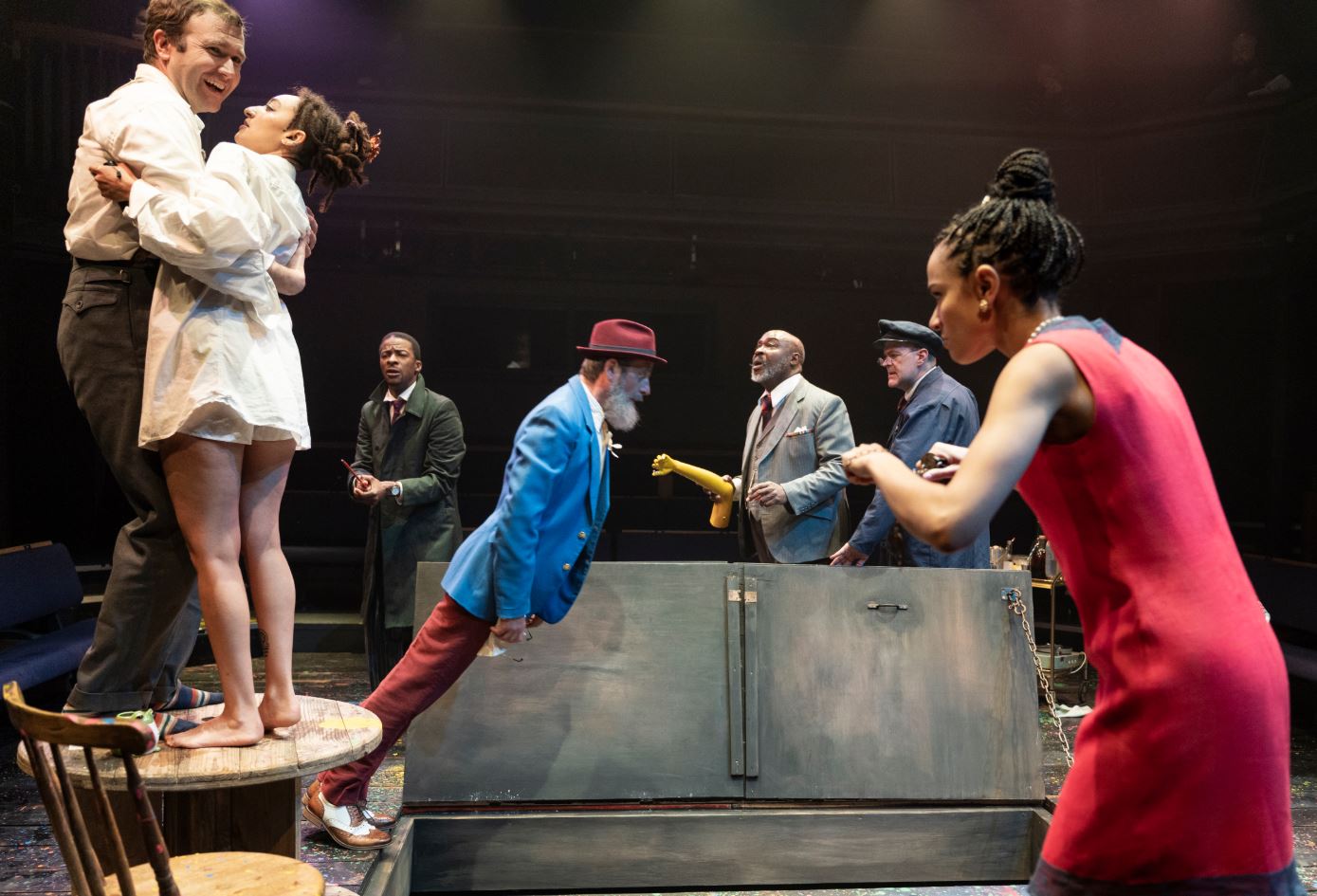
Struggling sculptor Brindsley Miller is waiting with his fiancée Carol in his tiny flat for a visit from millionaire Georg Bamberger in the hope that said millionaire will buy his work. Miller has borrowed, without permission, furniture from his absent neighbour to impress his visitor and he’s also expecting a visit from his fiancée’s “monster” father. At the end of a phone, in the background, but hovering nearby is his ex-girlfriend Clea. Having set up a neat collection of disasters waiting to happen, Shaffer then deploys his main idea of inverting light and darkness, so the play begins in total darkness but this is light for the characters on stage, they’re heard speaking and moving about quite normally. However when a power cut occurs and the flat is thrown into darkness, the stage lights come back up and the characters must stagger about as if in total darkness while the audience watches them bumping into things and each other, unable to see what is in front of them.
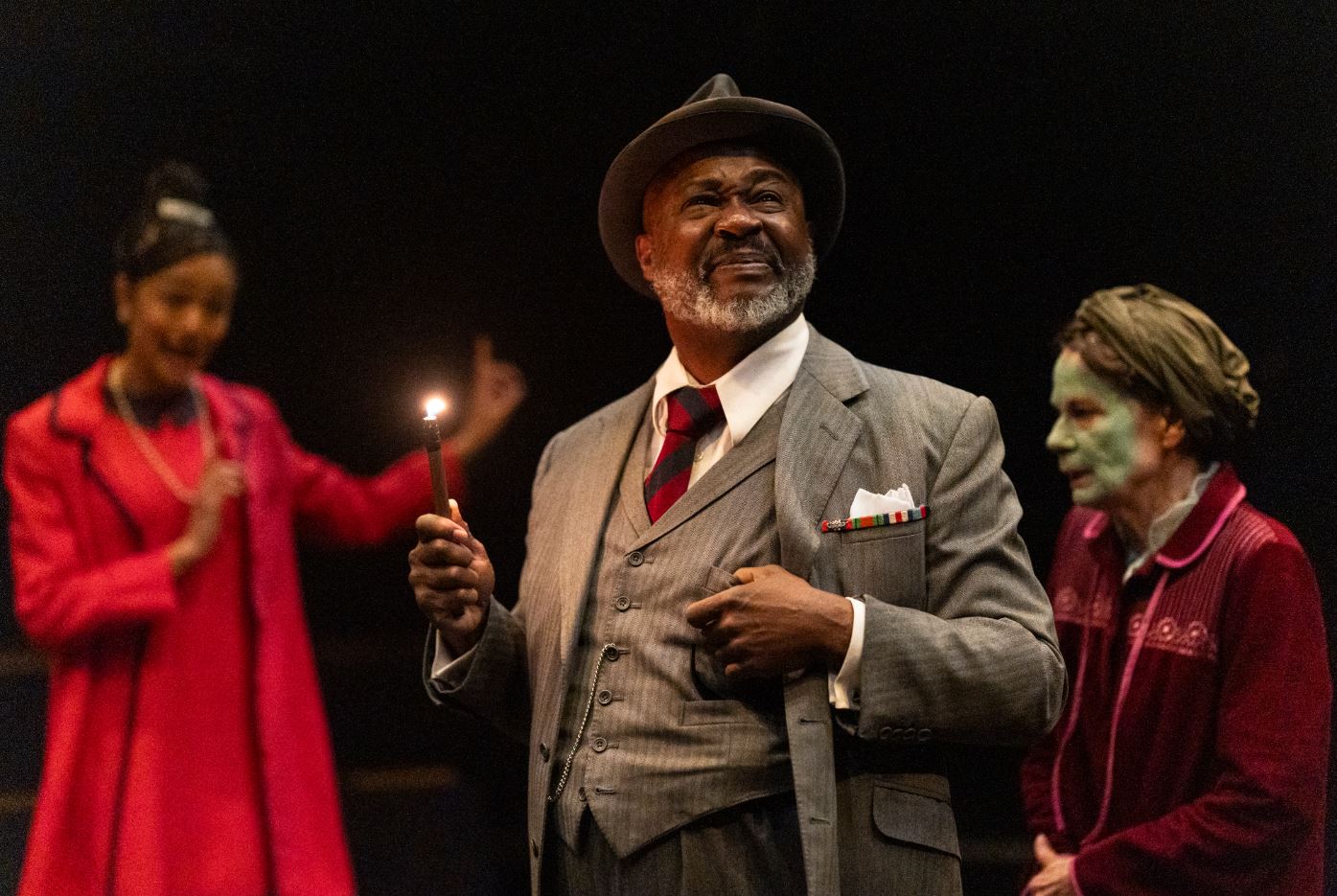
Things become gradually more complicated by the arrival of Miller’s nervous neighbour Miss Furnival, a man from something we used to know fondly as the London Electricity Board, Carol’s father Col Melkett, Harold Gorringe (the owner of the furniture) and ultimately Mr Bamburger. Chaos ensues in the darkness: furniture must be furtively returned to the neighbour’s flat, teetotal Miss Furnival is wrongly served whisky, identities are mistaken people are sat on, climbed over and kissed, and as if this weren’t enough into the mix, arrives Miller’s ex, Clea, intent on winning him back whilst enjoying herself causing maximum mischief while so doing.
A limited space is arguably not ideal for slapstick farce, it’s wiser not to get too close to the mechanics of it. That said, Director Caroline Steinbeis and Physical Comedy Consultant John Nicholson have achieved a great deal in the Orange Tree’s tiny space and Elliot Griggs’ lighting perfectly conveys the idea of inverting light and dark, the dimming light when a match is struck and sudden light when it’s blown out serving as a reminder that things are topsy-turvy.
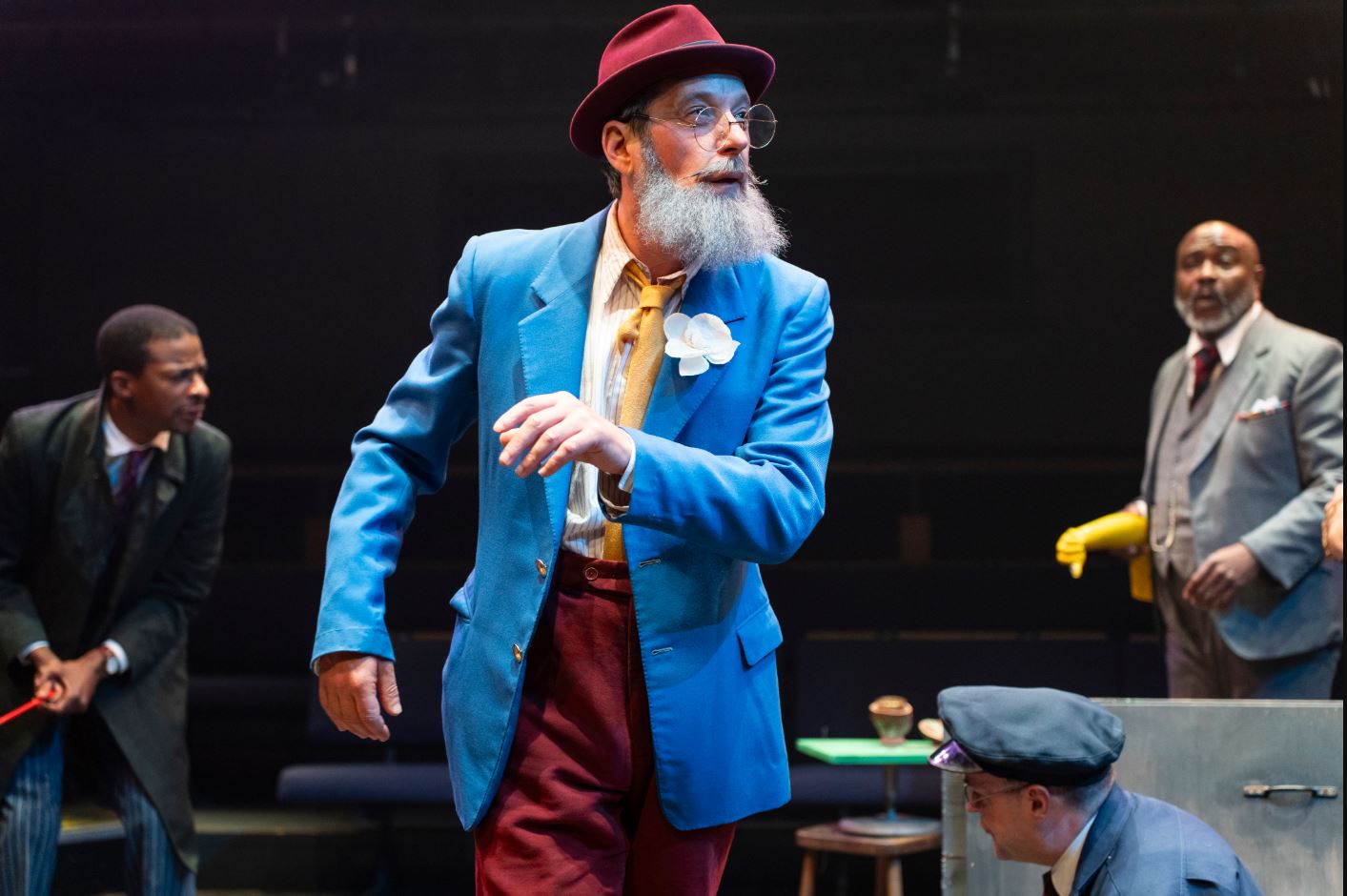
An ensemble piece, this cast works hard. Physical comedy is hard, but these actors have mastered it in their confined space. Additionally, Joe Bannister is an endearing, helpless Brindsley and Simon Manyonda is particularly funny as neighbour Gorringe, determined to stay positive in a constantly deteriorating situation whilst battling with what looks like unrequited love for Brindsley. Also effective is the petite, fairy-like Patricia Allison as Clea, flitting about the stage like an anarchic Tinkerbell leaving a trail of destruction in her wake.
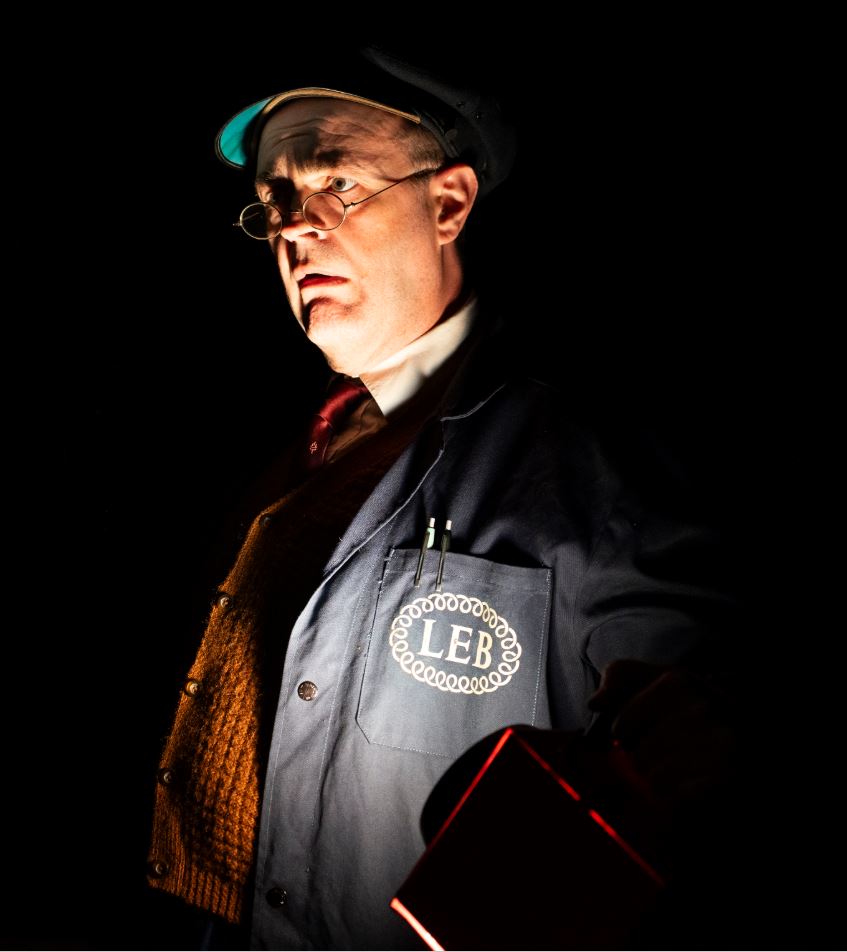
Written in the Sixties there are some stock characters on view: where, aside from the actual armed services do you find a colonel these days? Similarly a timid, spinster neighbour brought to life by an accidental couple of whiskies is a quaint, old fashioned presence in theatre now. Nonetheless, Jason Barnett is suitably brusque and patriarchal as Col Melkett and Julia Hills’ Miss Furnival is a masterclass in very sweet drunks! As is to be expected with a piece as accomplished as this the smaller roles, Chris Chilton’s LEB man and Javier Marzan’s Bamberger, are equally as engaging.
Black Comedy is a charming seventy-five minutes’ worth of bonkers escapism with a great sense of warmth and nostalgia about it; well worth seeing.
Eleanor Lewis, June 2026
Photography by Sam Taylor


